

Ethiopia
Hawassa Lake, Sidama
Debre Libanos, Oromia
May 2025
Birdwatching in Ethiopia turned out to be a completely serendipitous experience for us — and it ultimately became the starting point of our life list in Merlin Bird ID.
We Came for the Volcanoes. We Stayed for the Birds.
When we first planned the trip, birding was never the main objective. We had hoped instead to visit some of the country’s most famous landscapes—such as the volcanic plains of the Danakil Depression or to trek through the dramatic scenery of the Simien Mountains and Bale Mountains National Park. After purchasing our flights, we later realized that several of Ethiopia’s top destinations had been placed in “do not travel” regions according to government advisories, which limited where we felt comfortable going. As we learned more about the political situation after arriving in Ethiopia, parts of the country were experiencing civil unrest.
In addition, May temperatures in the Danakil Depression often reach 40–50°C—and with no electricity and open air camping sleeping on a cot under the stars —it may have been for the best that we save it for next time.
After some research, we decided Hawassa Lake was the best option for a side trip outside of Addis Ababa.
Independent Birding in Hawassa Lake
We flew domestically with Ethiopian Airlines to Lake Hawassa and spent a total of four days exploring the area. We stayed at both Lewi Resort and Spa and Heron Hotel Hawassa along the lakeshore.


The country also felt to be in a heightened state of security at the time. Restrictions were surprisingly strict—binoculars were not allowed to be brought into the country, which made birdwatching particularly challenging. Fortunately, my zoom camera was permitted, which ended up becoming my main way of observing and identifying birds.
We had many sleepless nights in Addis Ababa as mosquitoes were relentless, especially since many hotels lacked window screens. Unexpectedly, once we arrived at Lake Hawassa, the mosquito situation improved dramatically.
With few tourists around and guided tours priced far beyond our budget, we ended up birding mostly on our own. This turned out to be a blessing in disguise. The lakeside and nearby Amora Gedel Park became our daily routine, and the birdlife was extraordinary. Pelicans, kingfishers, bee-eaters, hornbills, and fish eagles seemed to appear everywhere we looked. In just 3 days in one small park without a guide, we recorded 59 bird species—an astonishing number for such a short visit.

In the end, Lake Hawassa turned out to be a paradise for birdwatching, and we genuinely didn’t want to leave. The only annoyance were the locals who followed us around offering guiding services. Still, with patience, the lake rewards you with an endless stream of birds and one of the richest birding experiences we’ve had.
Gelada Baboons


Day trip from Addis Ababa to Debre Libanos, Blue Nile Gorge, and Cave from Tripadvisor for USD$80/person. Pictured here with our guide Abiy (right) and driver Muse. We were the only ones on the tour that day.
Outside of Hawassa Lake, one of the most memorable wildlife encounters happened on a day trip from Addis Ababa to Debre Libanos. There, we were lucky enough to see troops of the endemic Gelada baboon (a.k.a. the bleeding-heart monkey) grazing along the cliffs. These remarkable primates are found only in the Ethiopian Highlands, and watching them with the dramatic gorges of the Blue Nile stretching out in the background made for an unforgettable scene.

Species Catalogue
We identified a total of 59 bird species, and saw handful of monkeys and other species — here are some that I managed to photograph.
- All
- Mammals
- Birds
- Reptiles

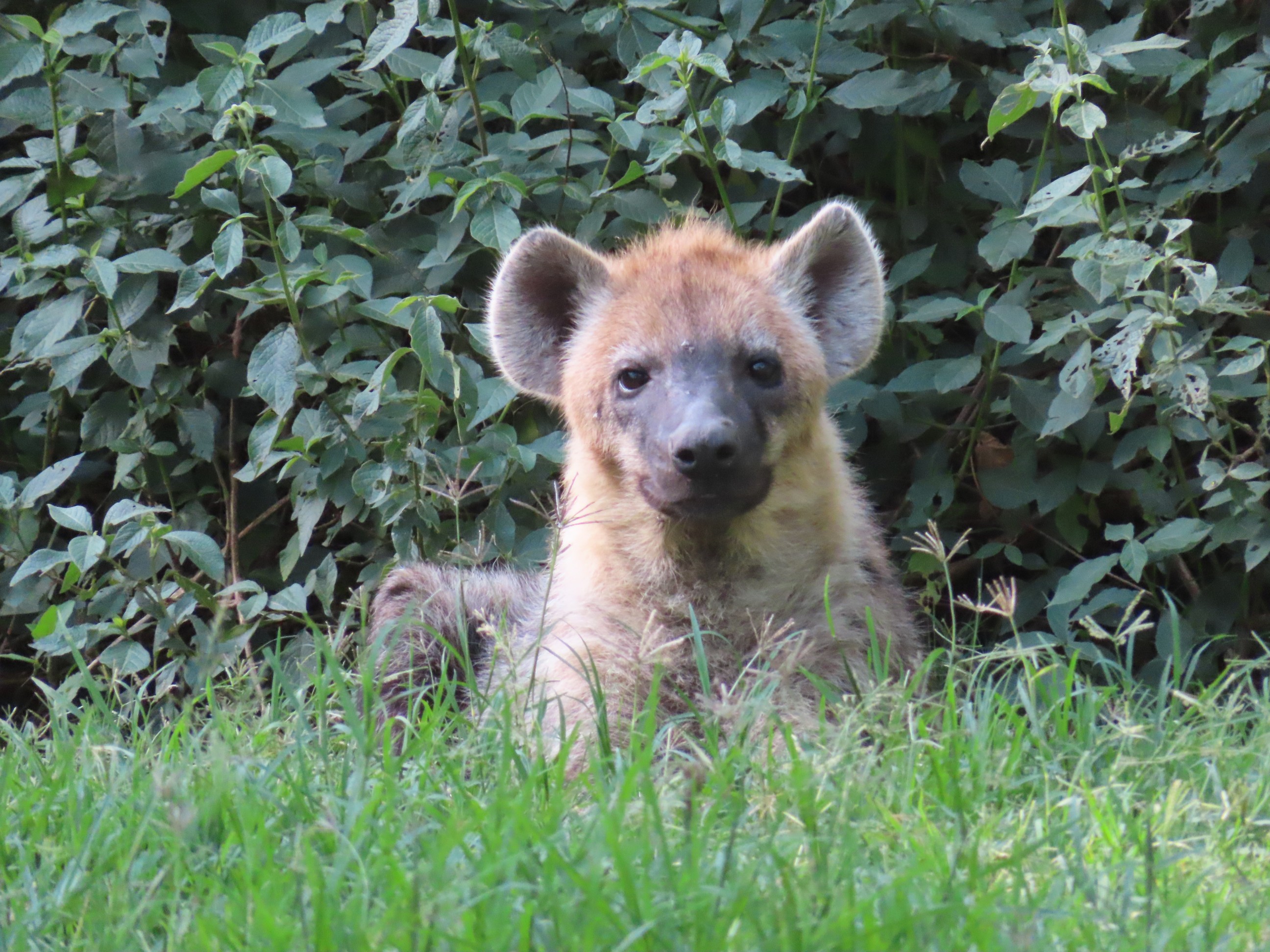


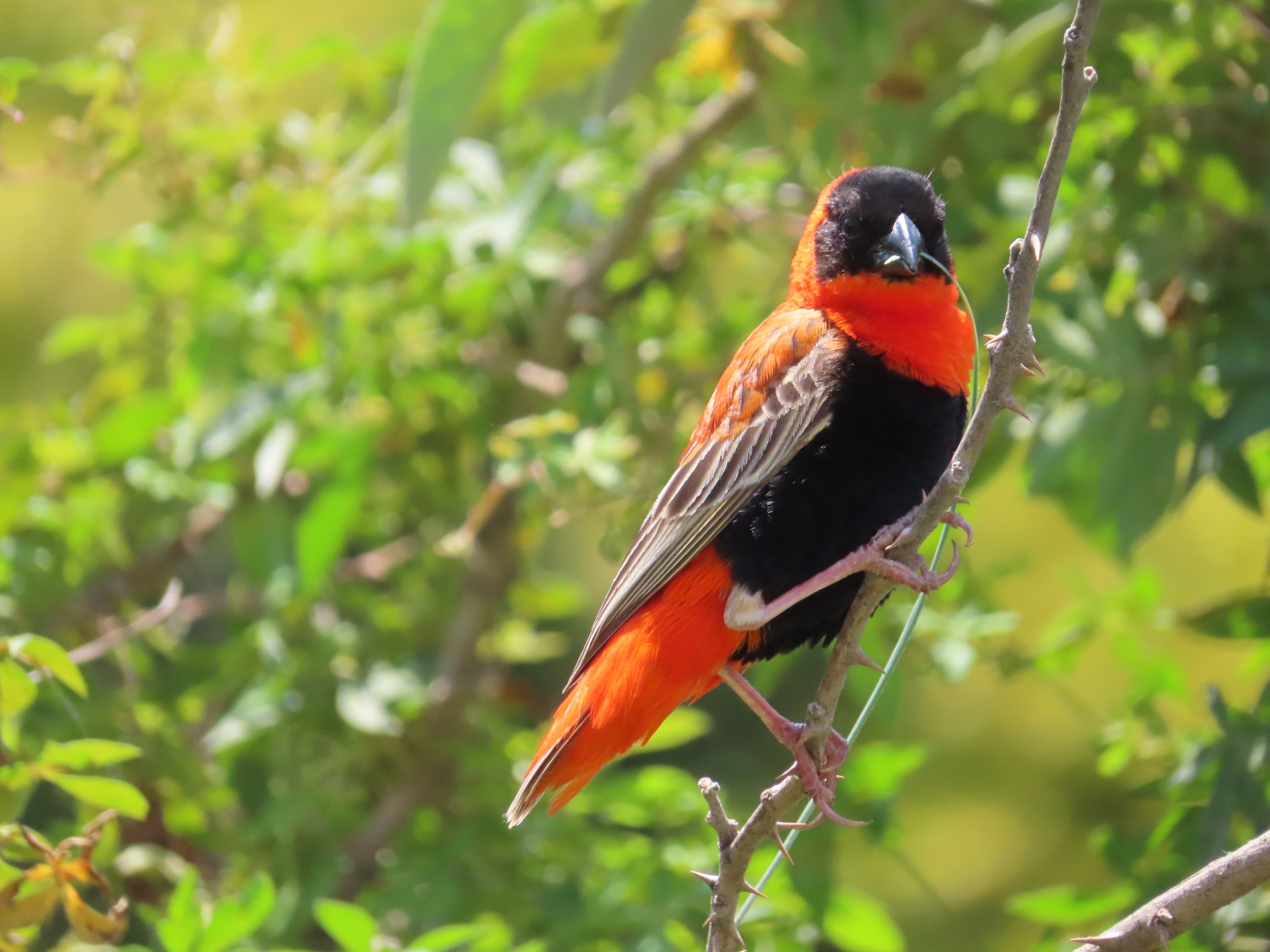

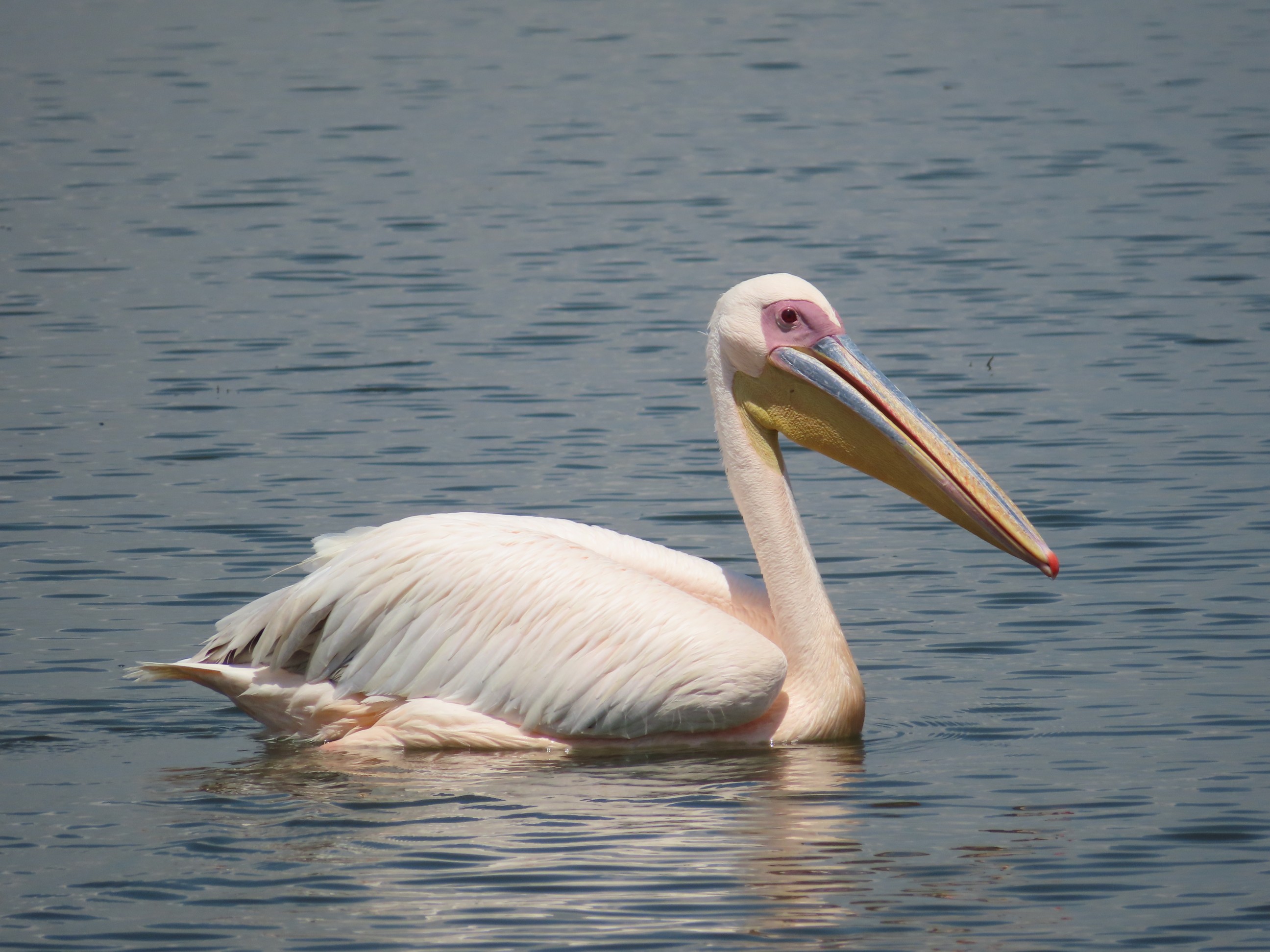

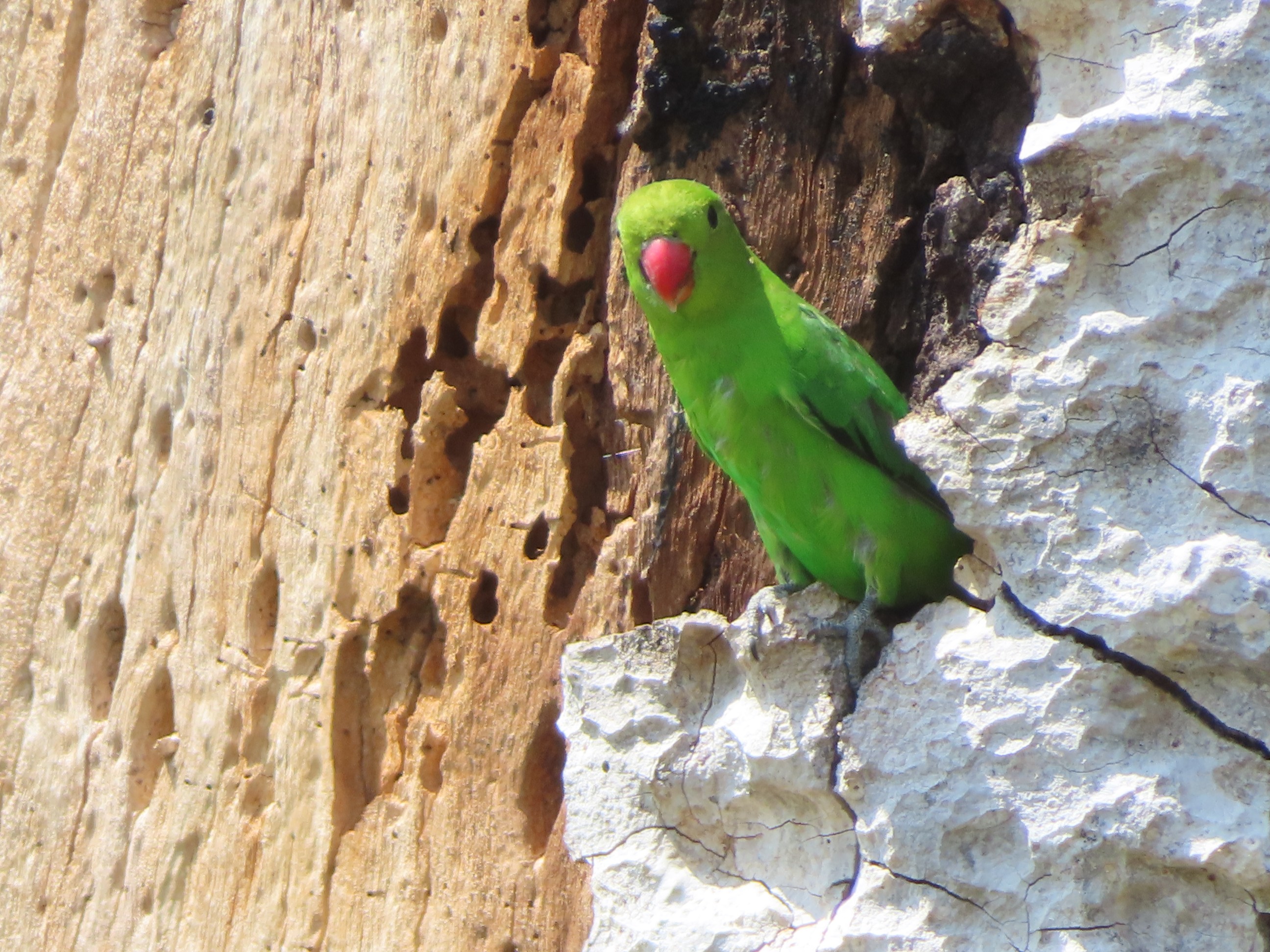

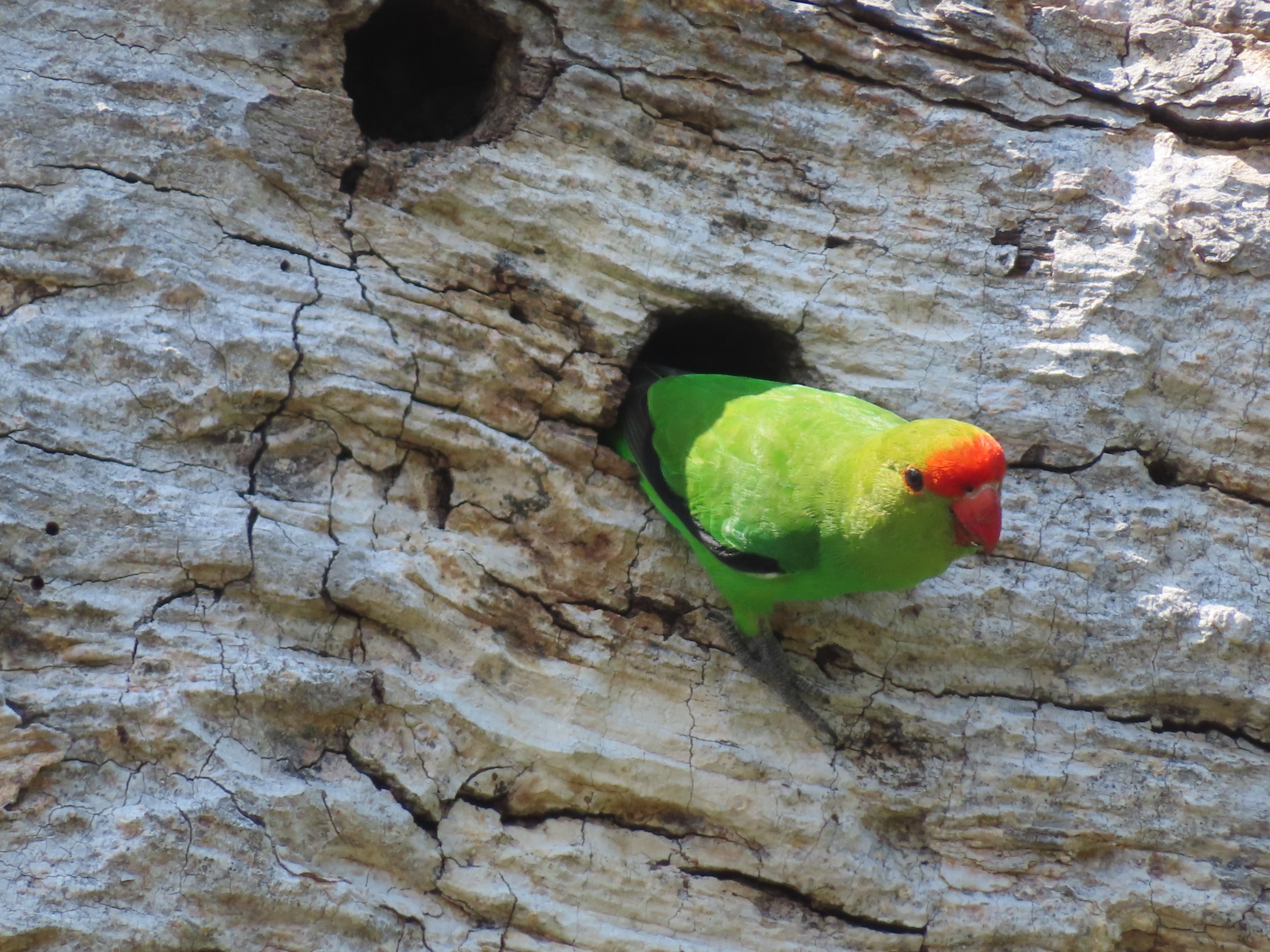


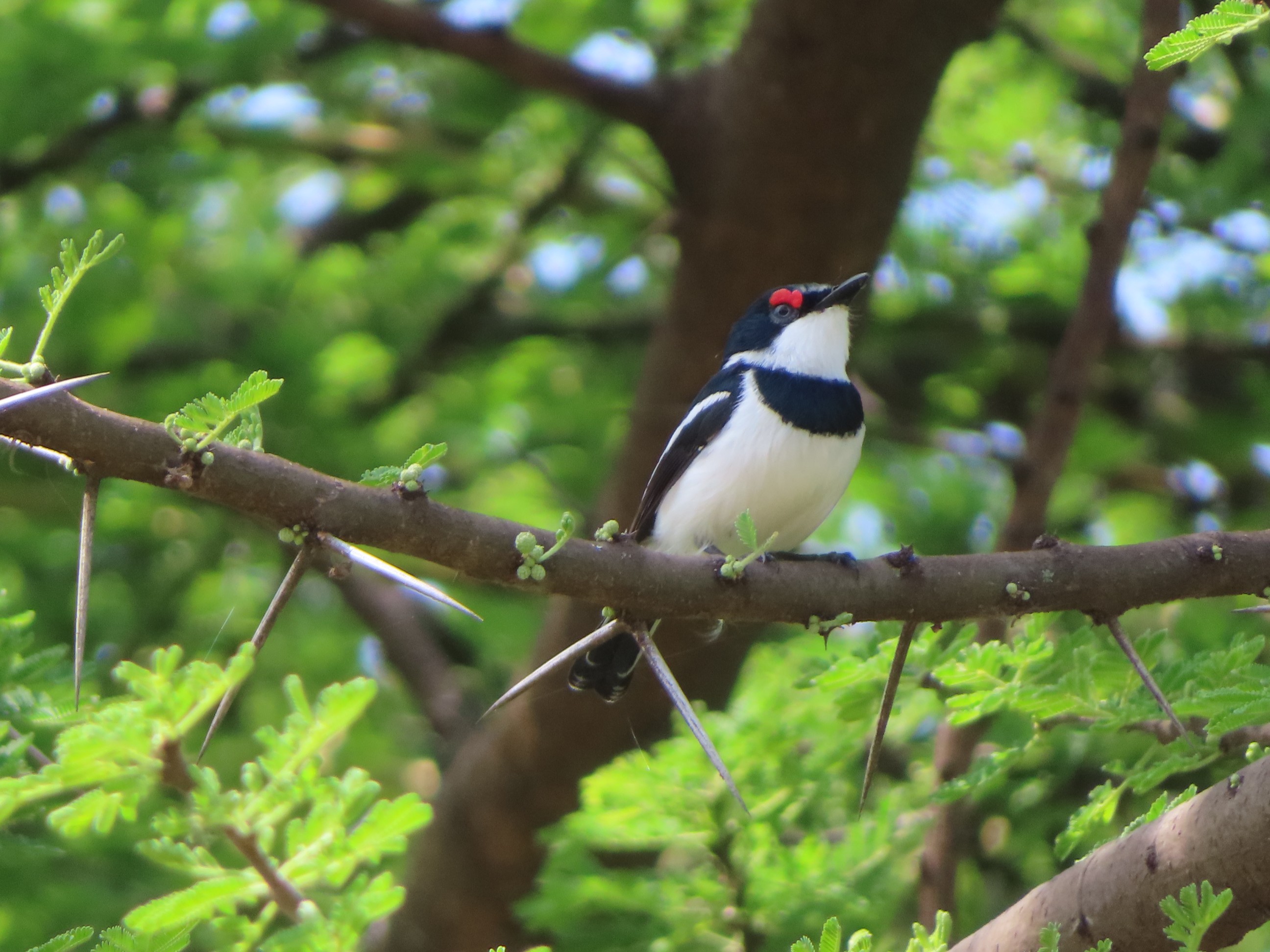

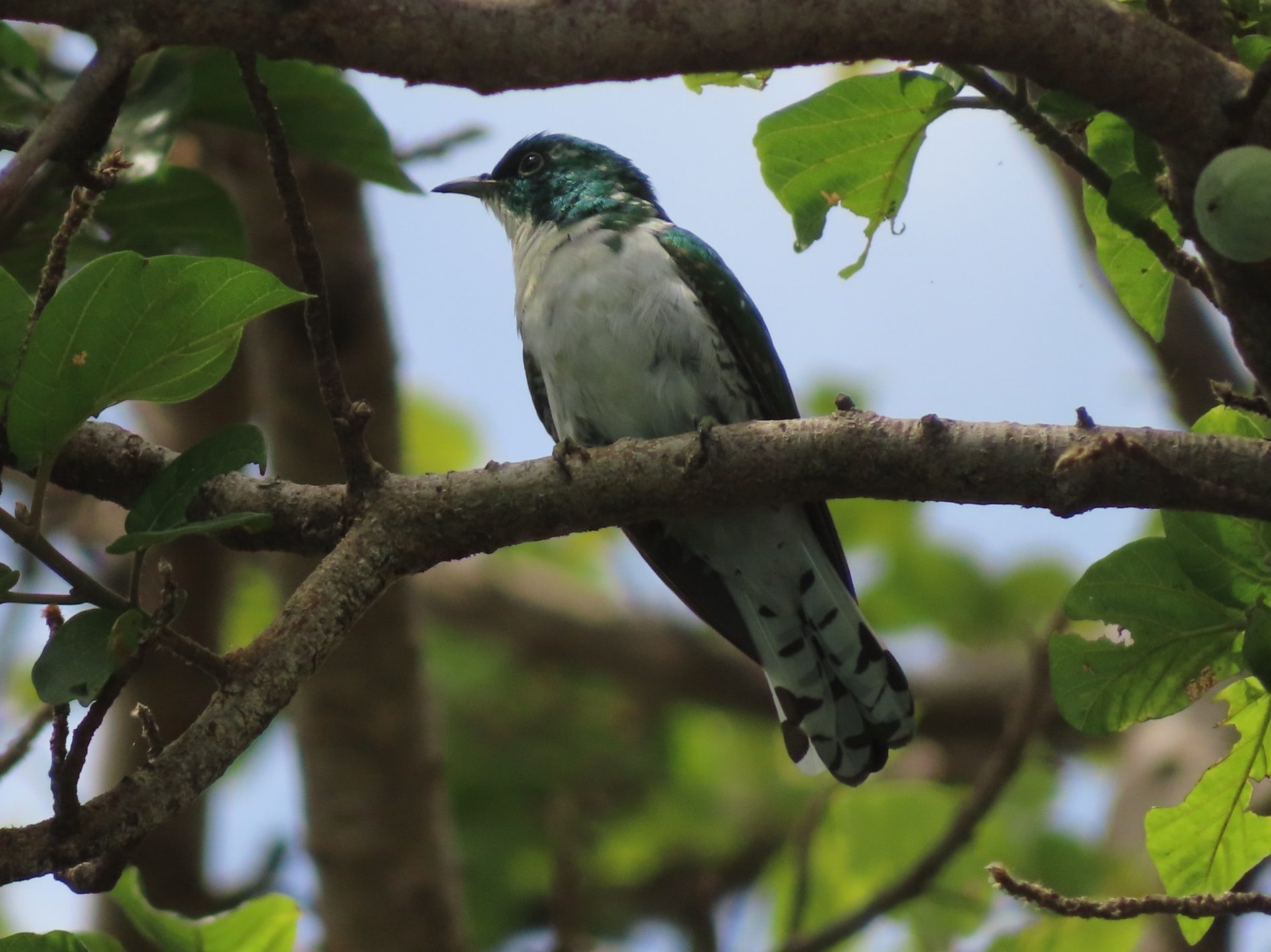

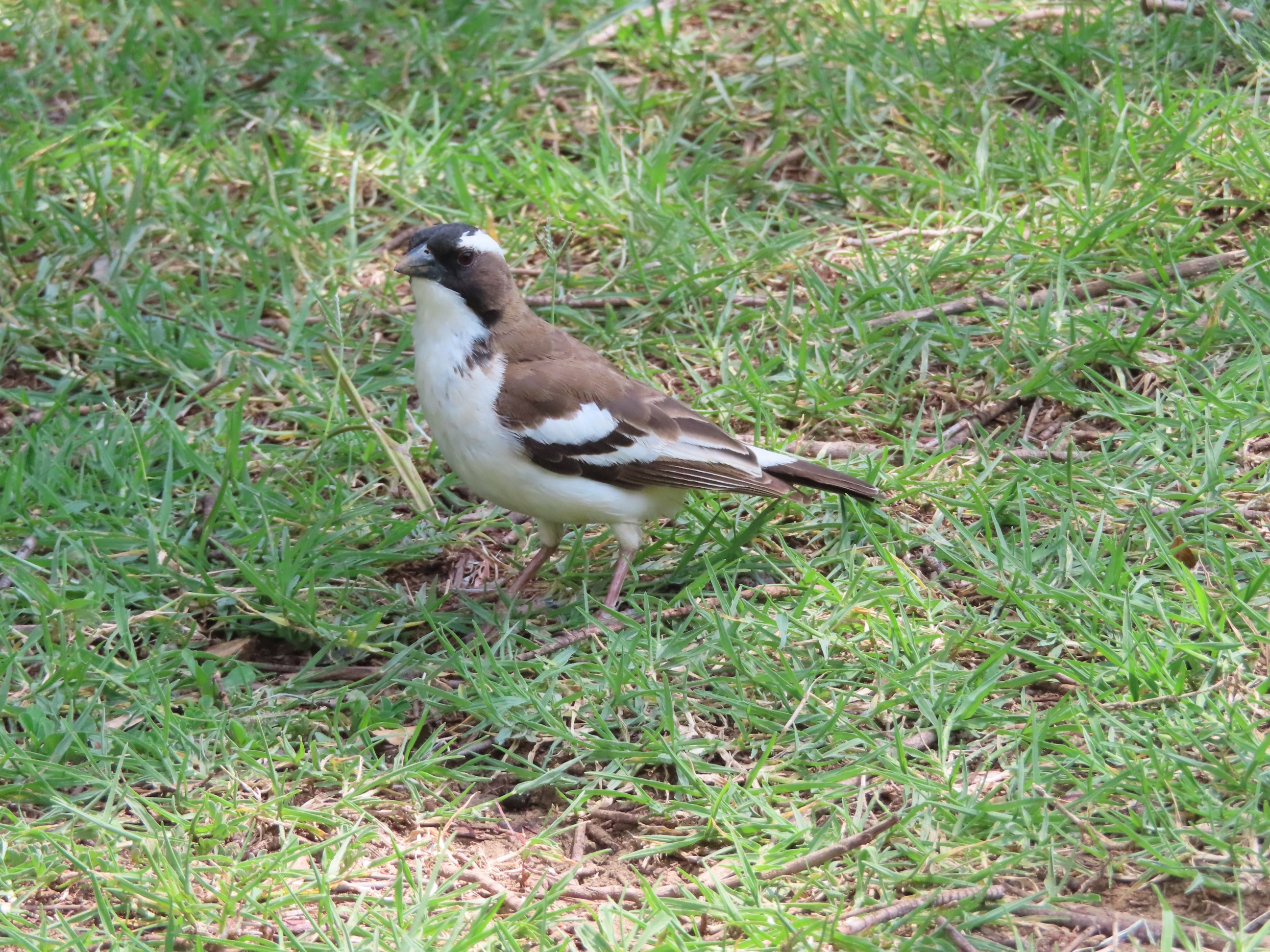

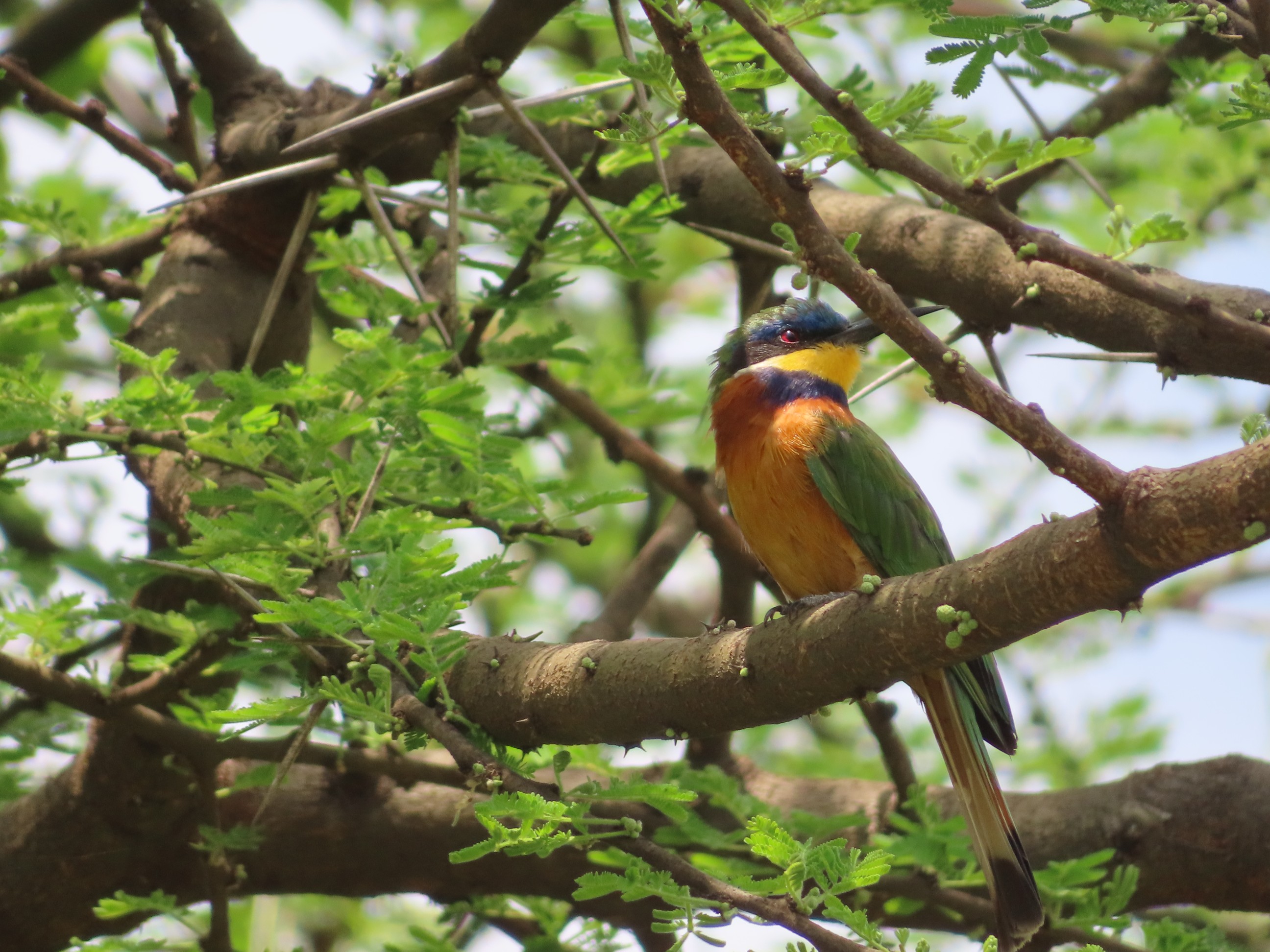

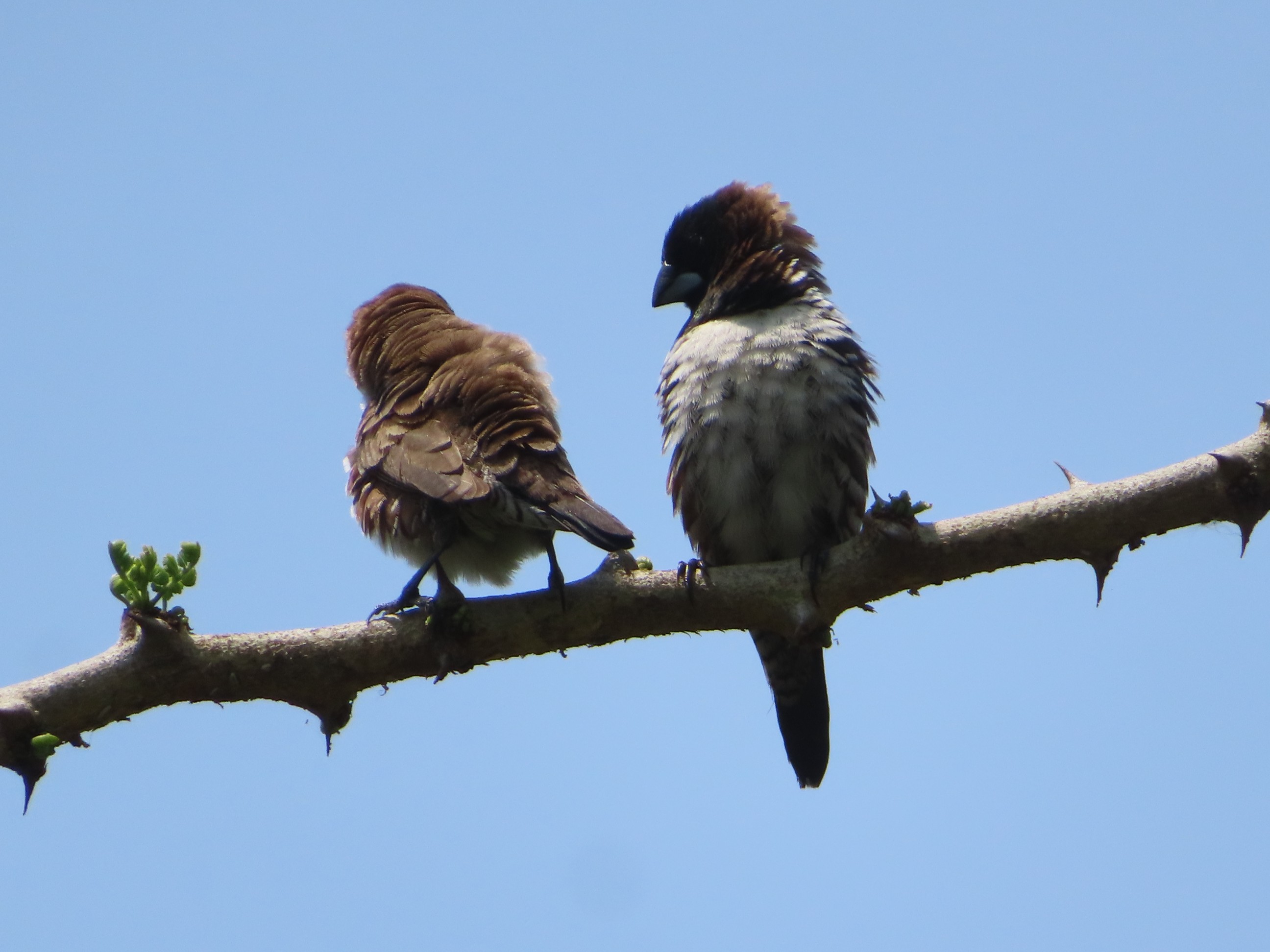

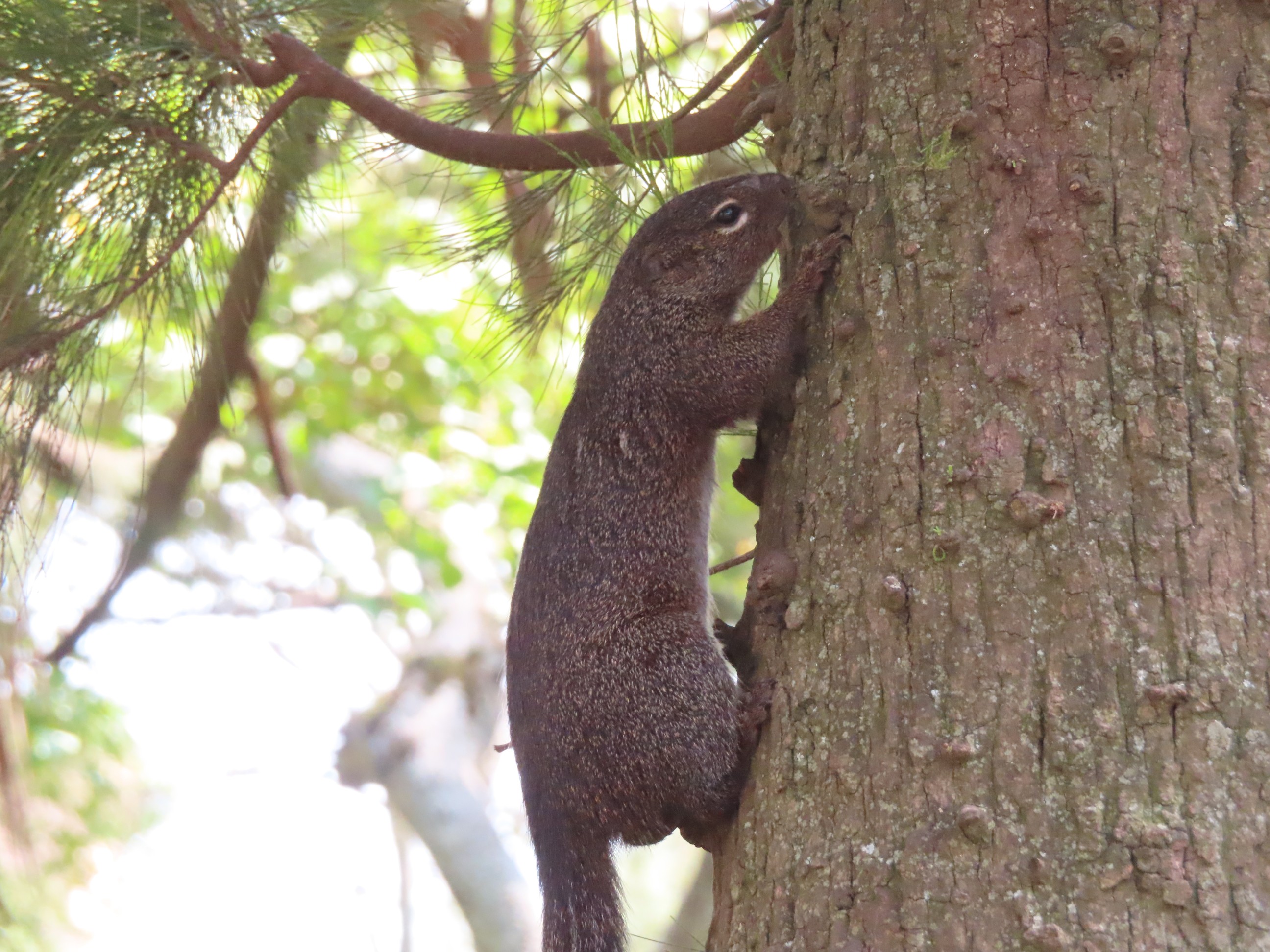


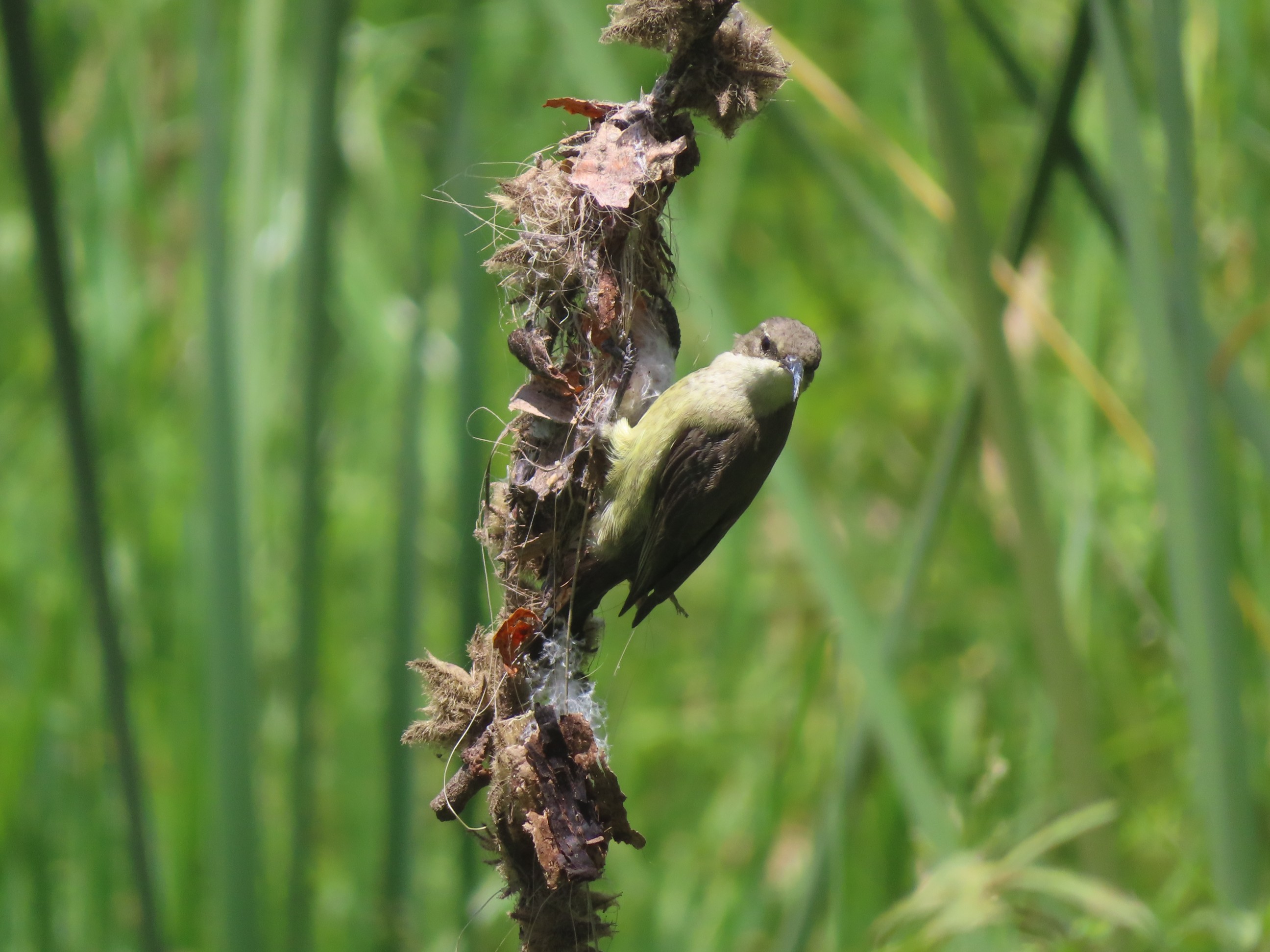


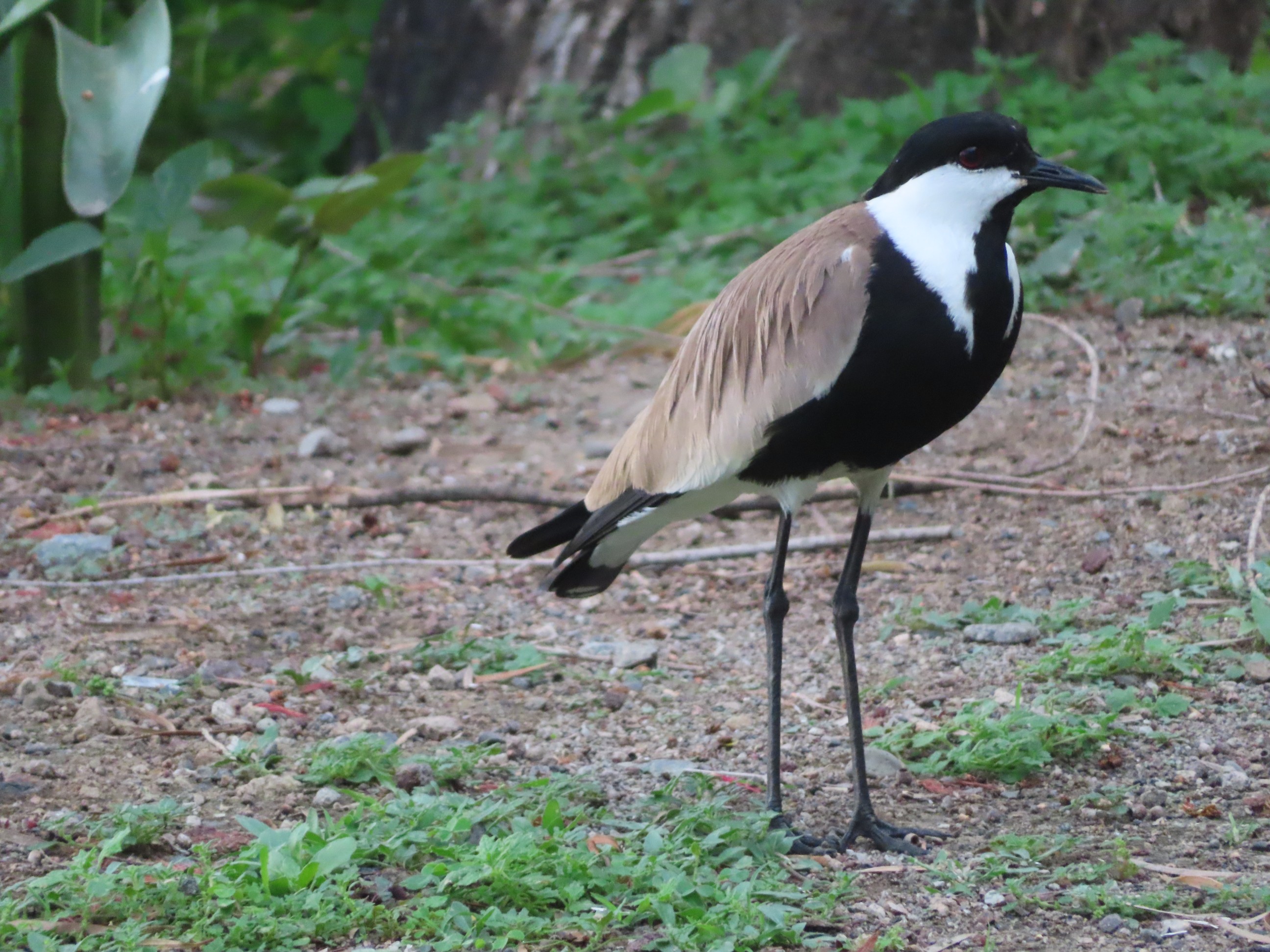

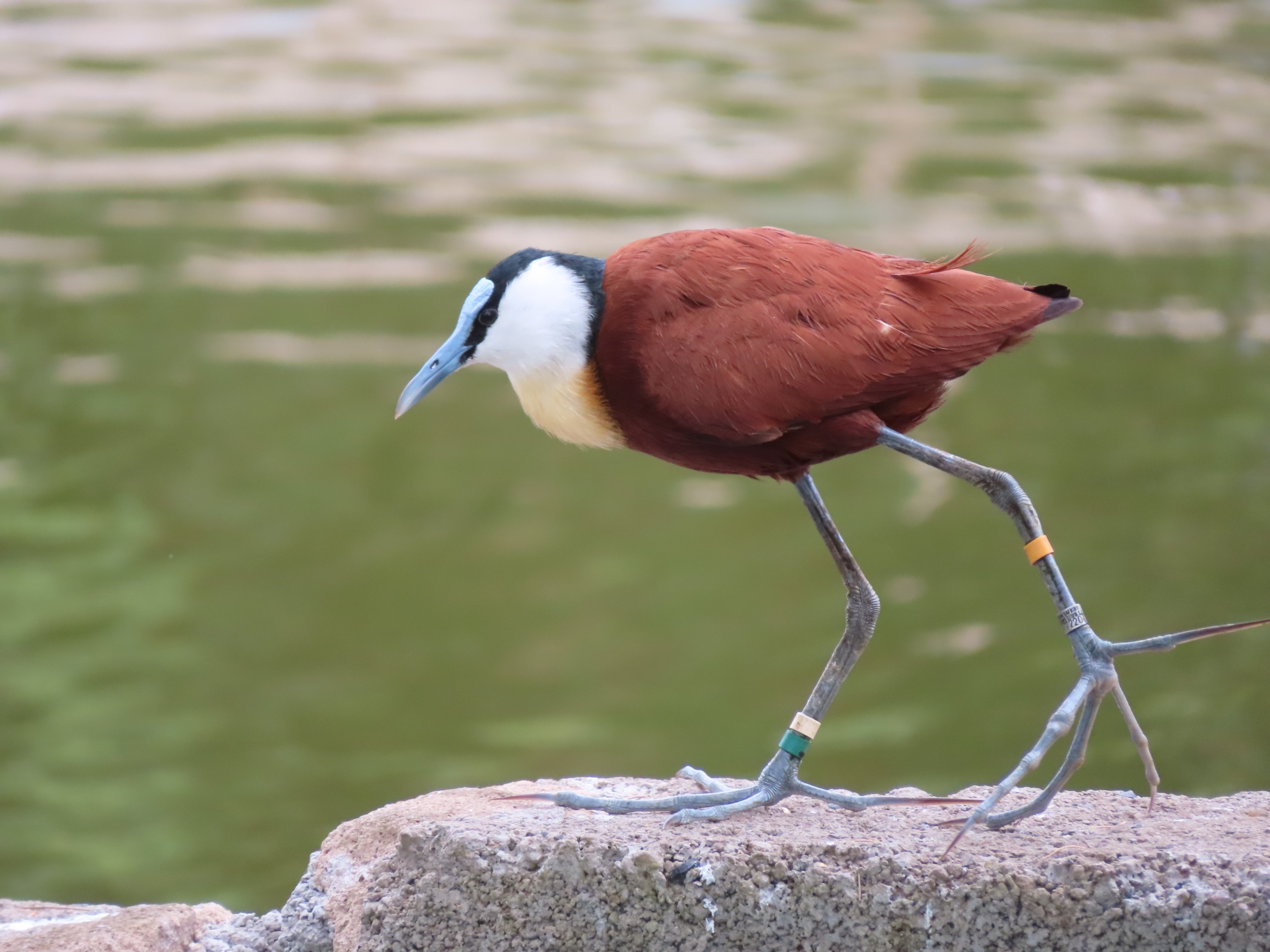


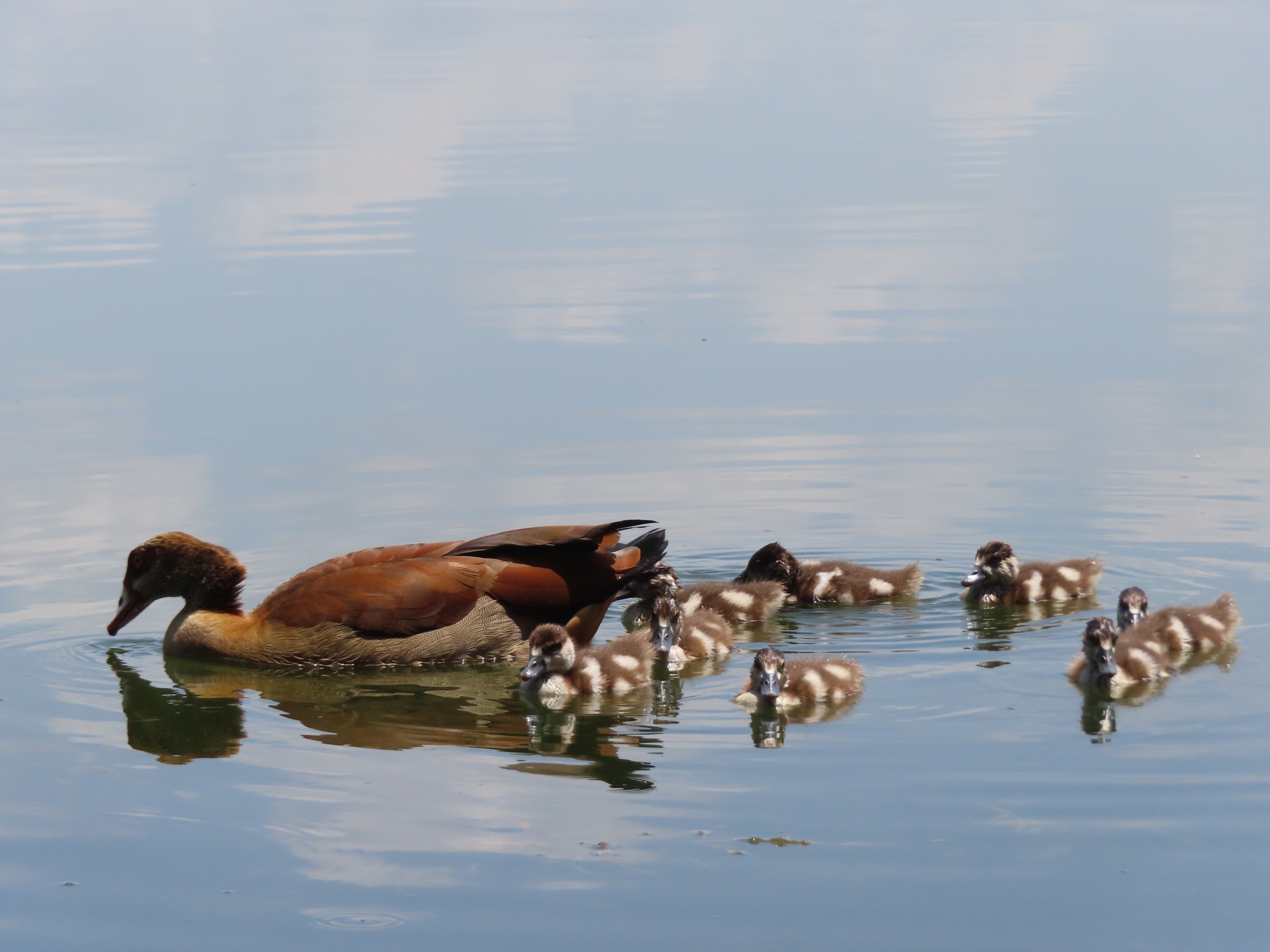

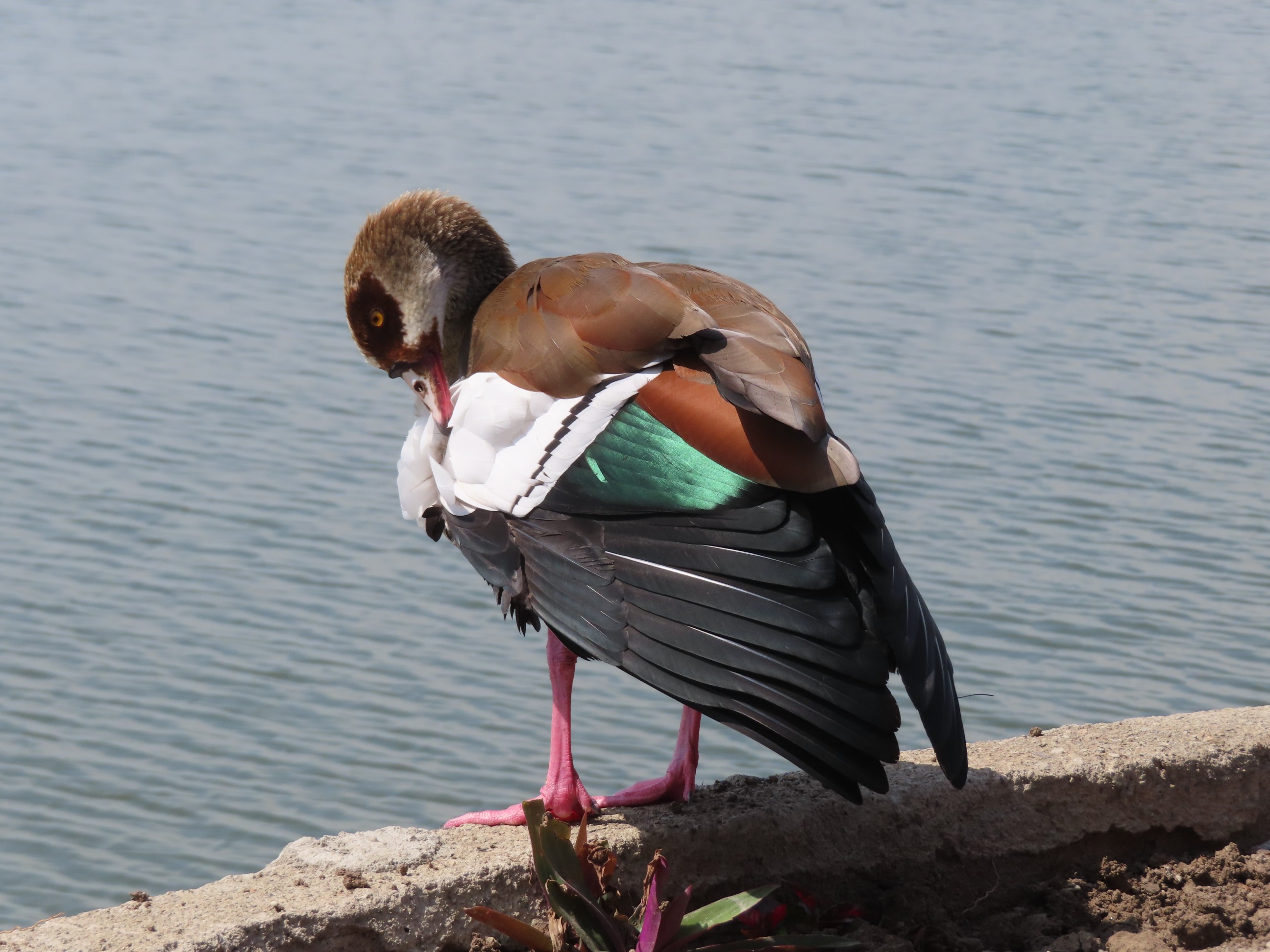


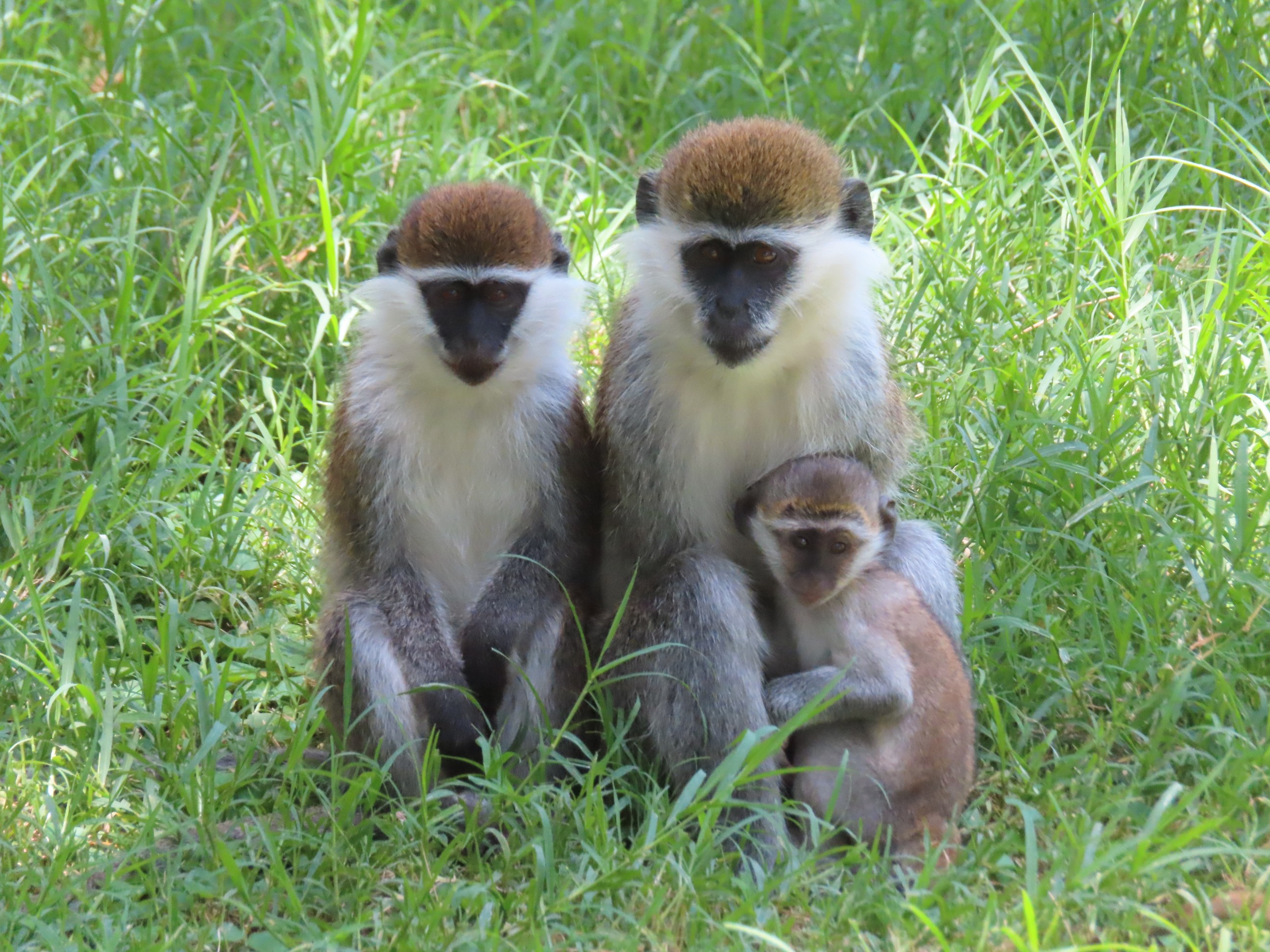

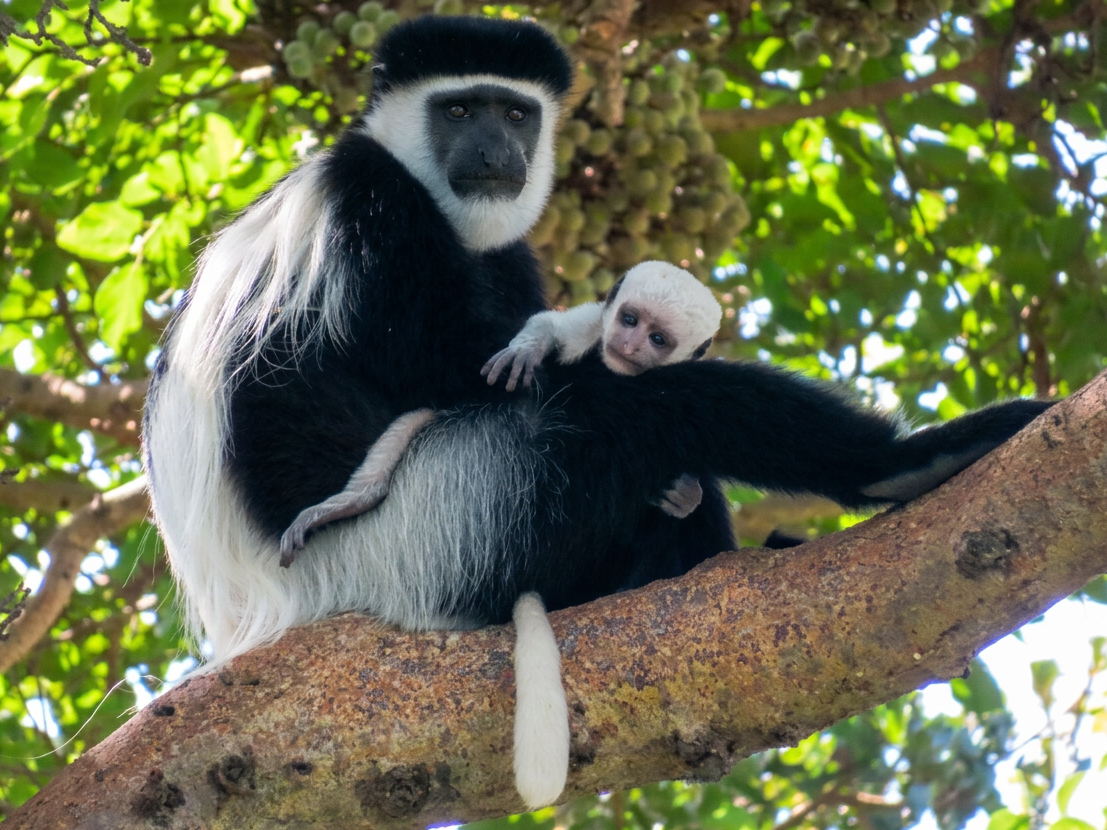


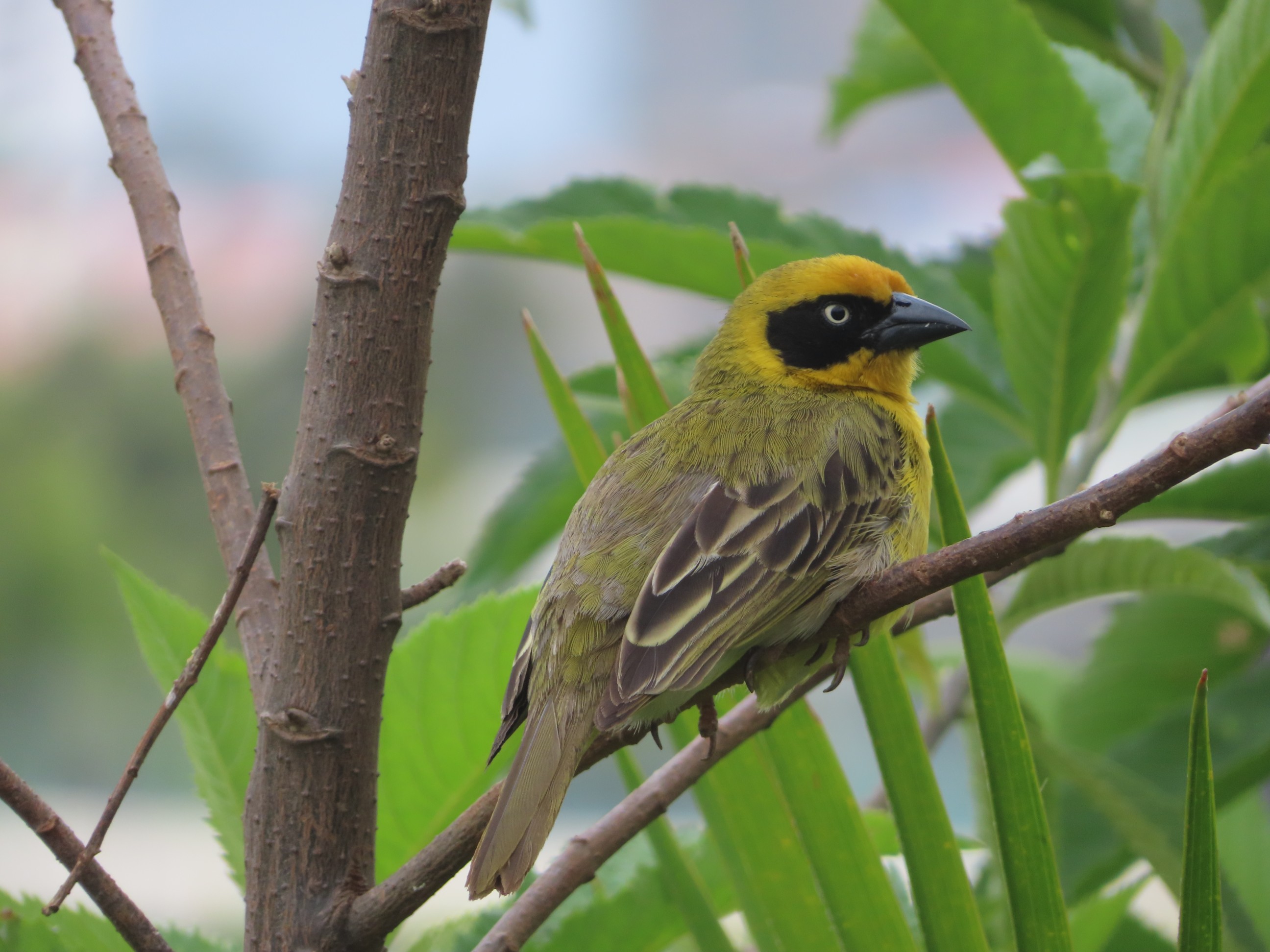


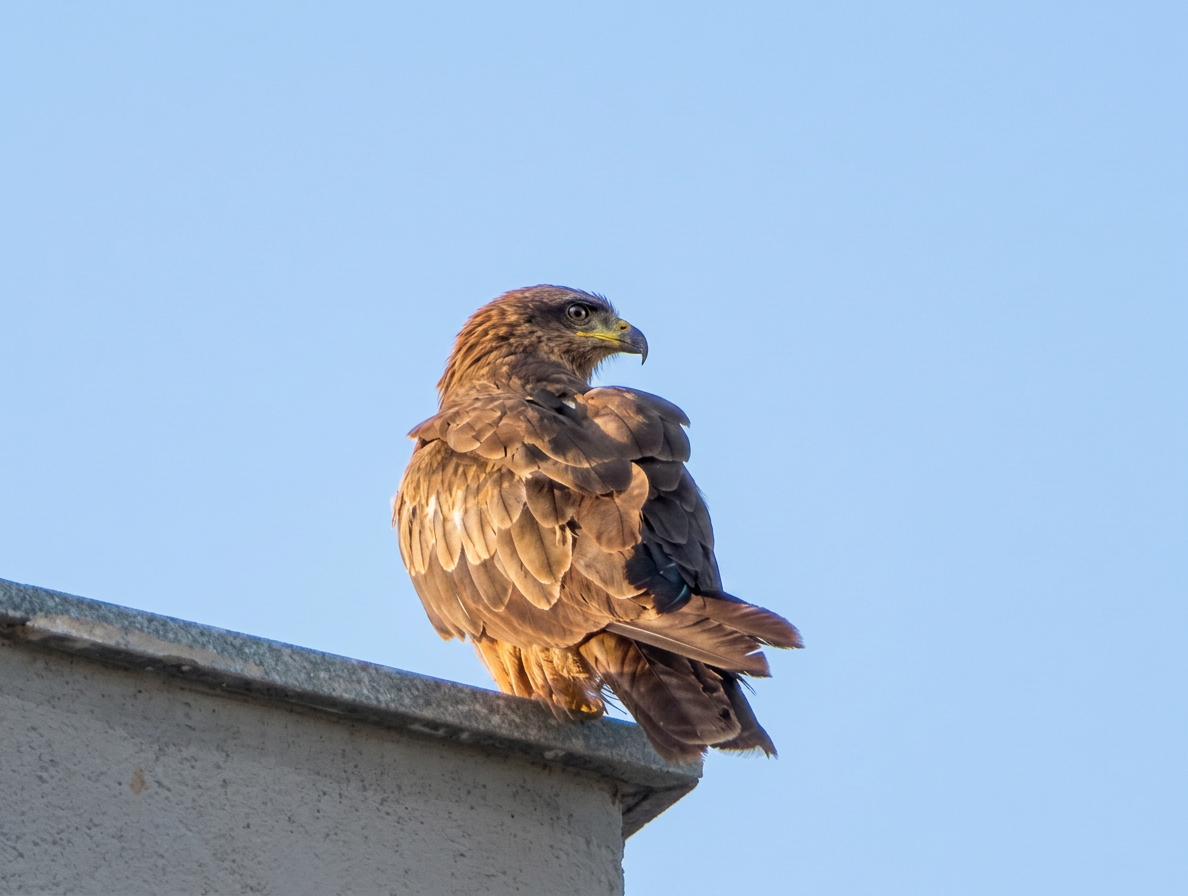


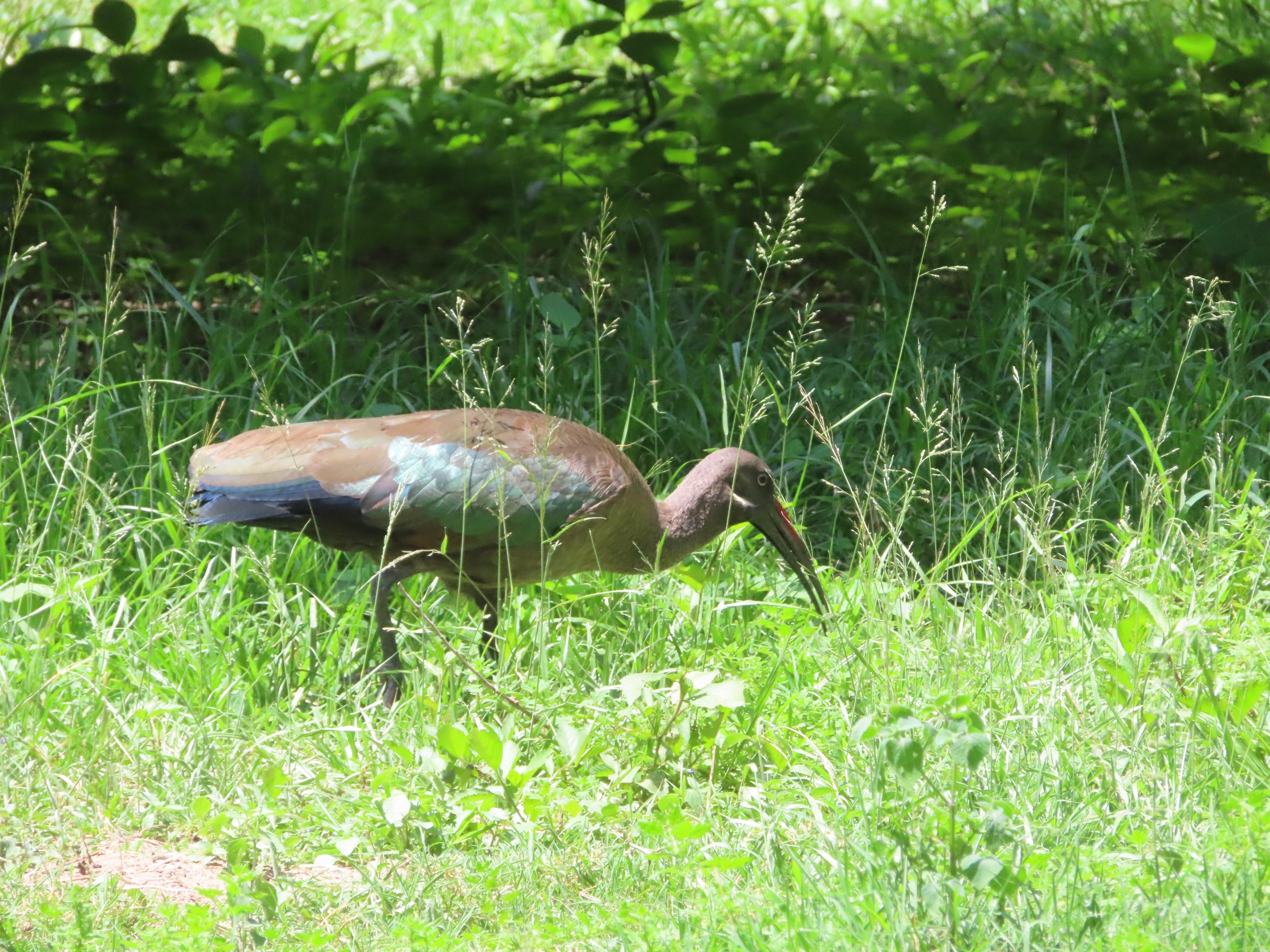

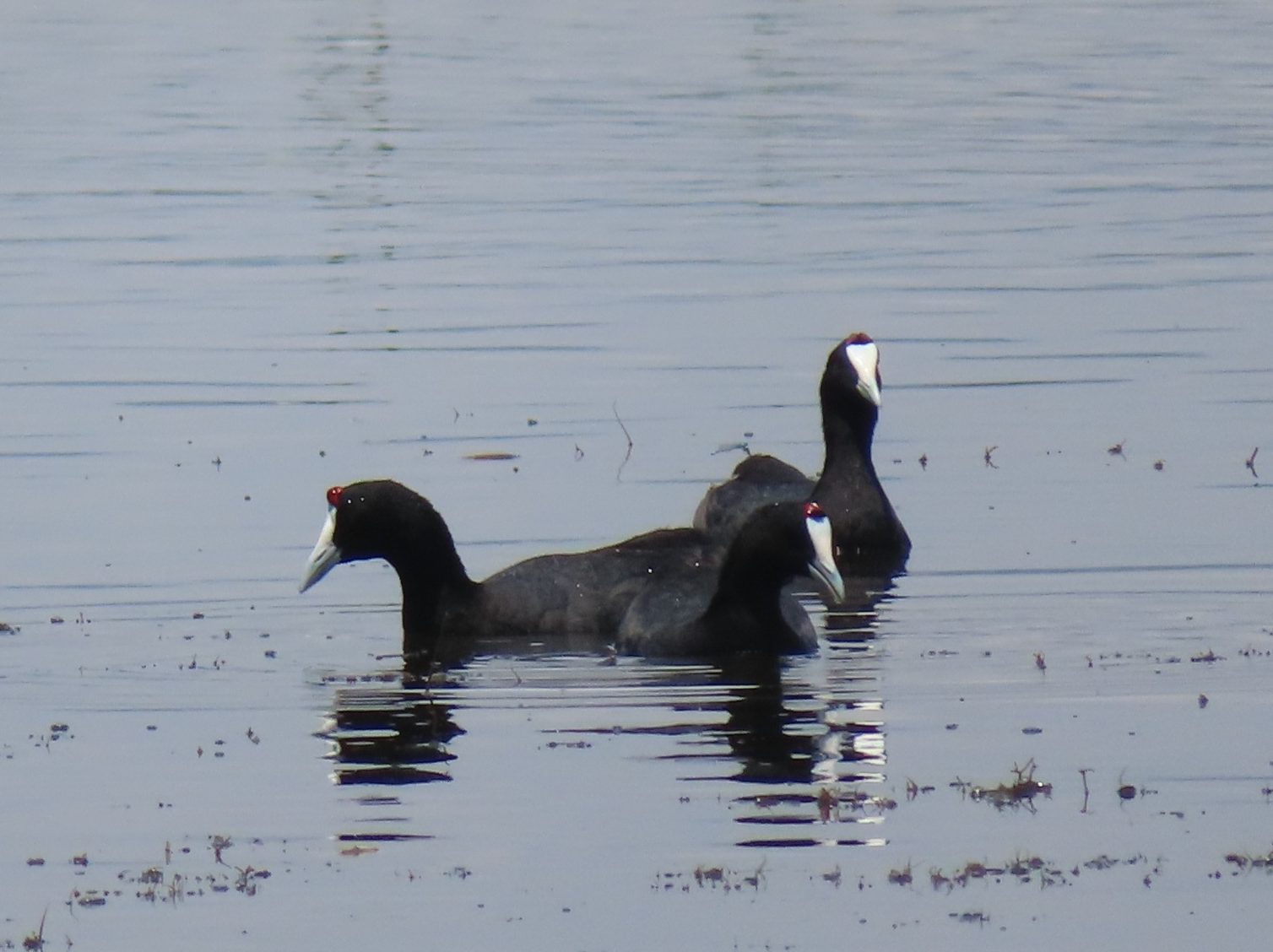

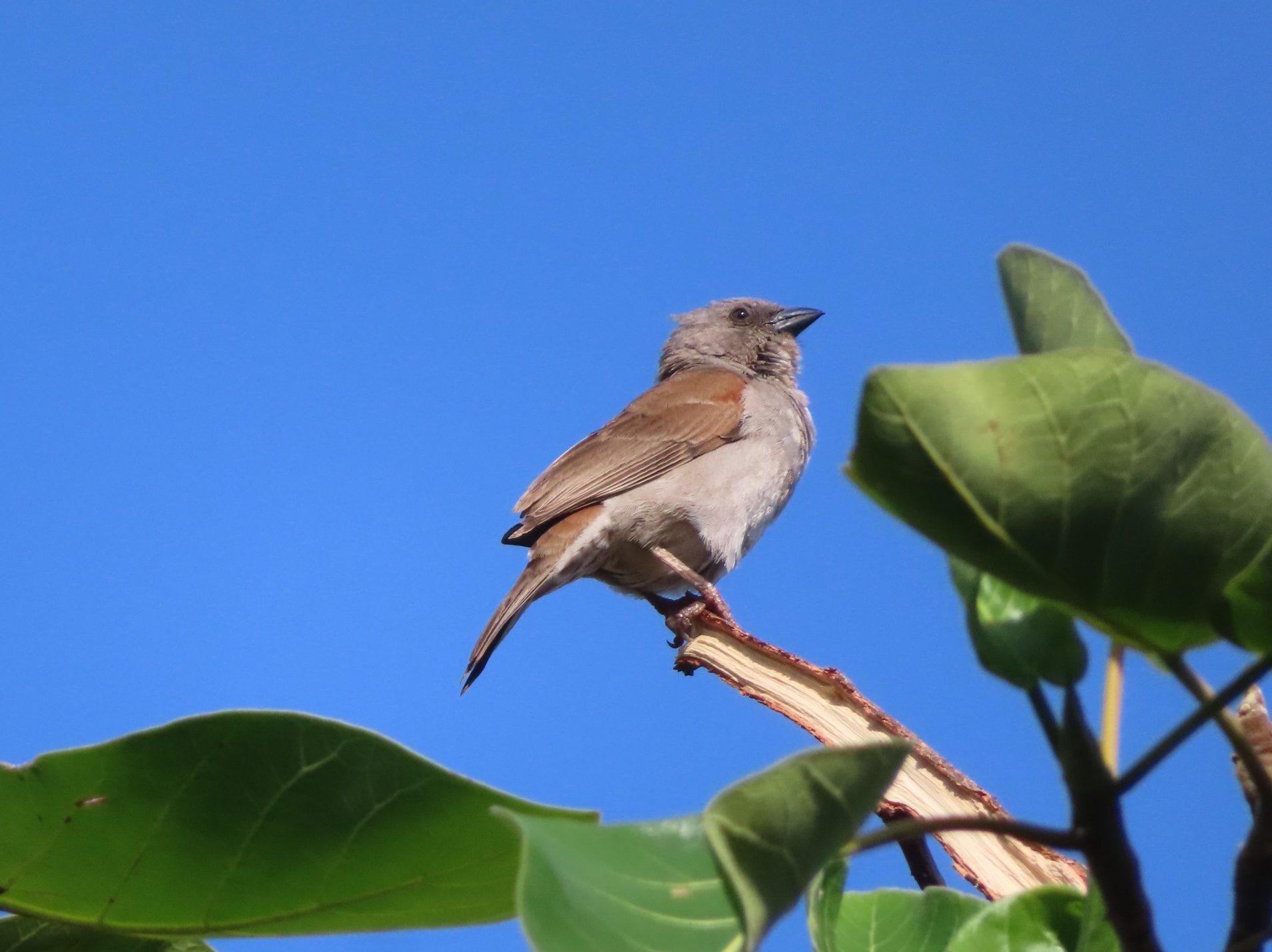

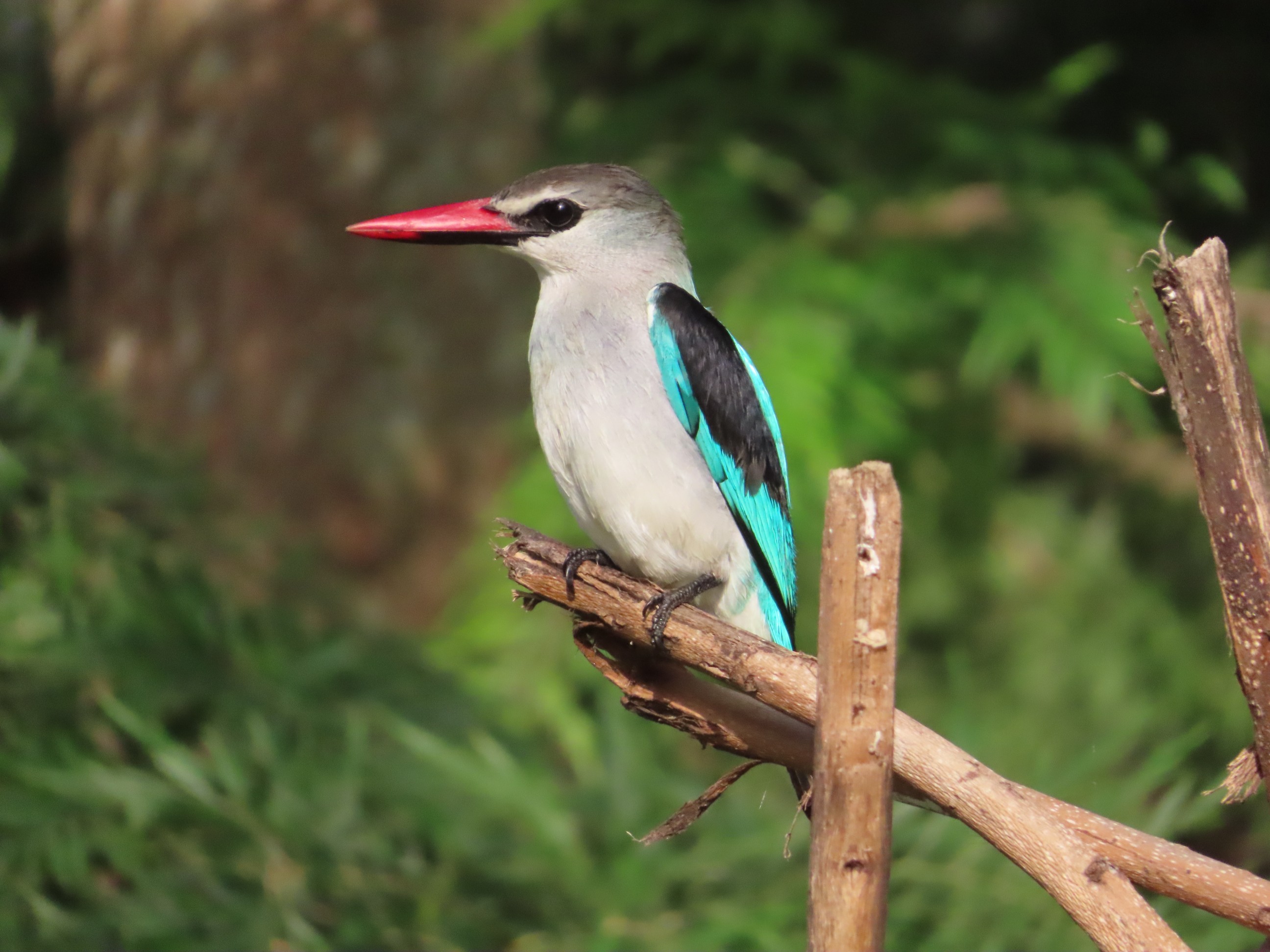

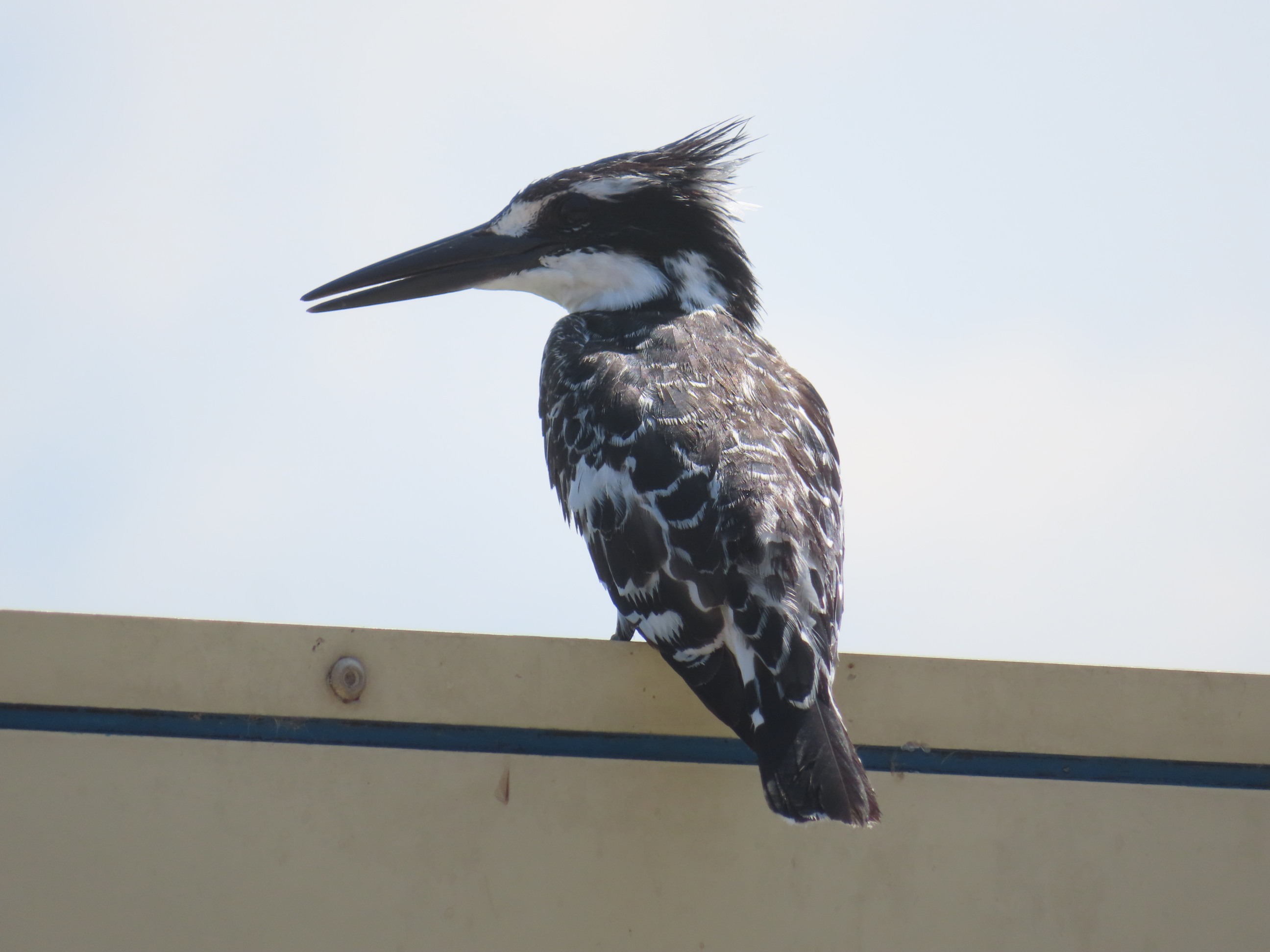


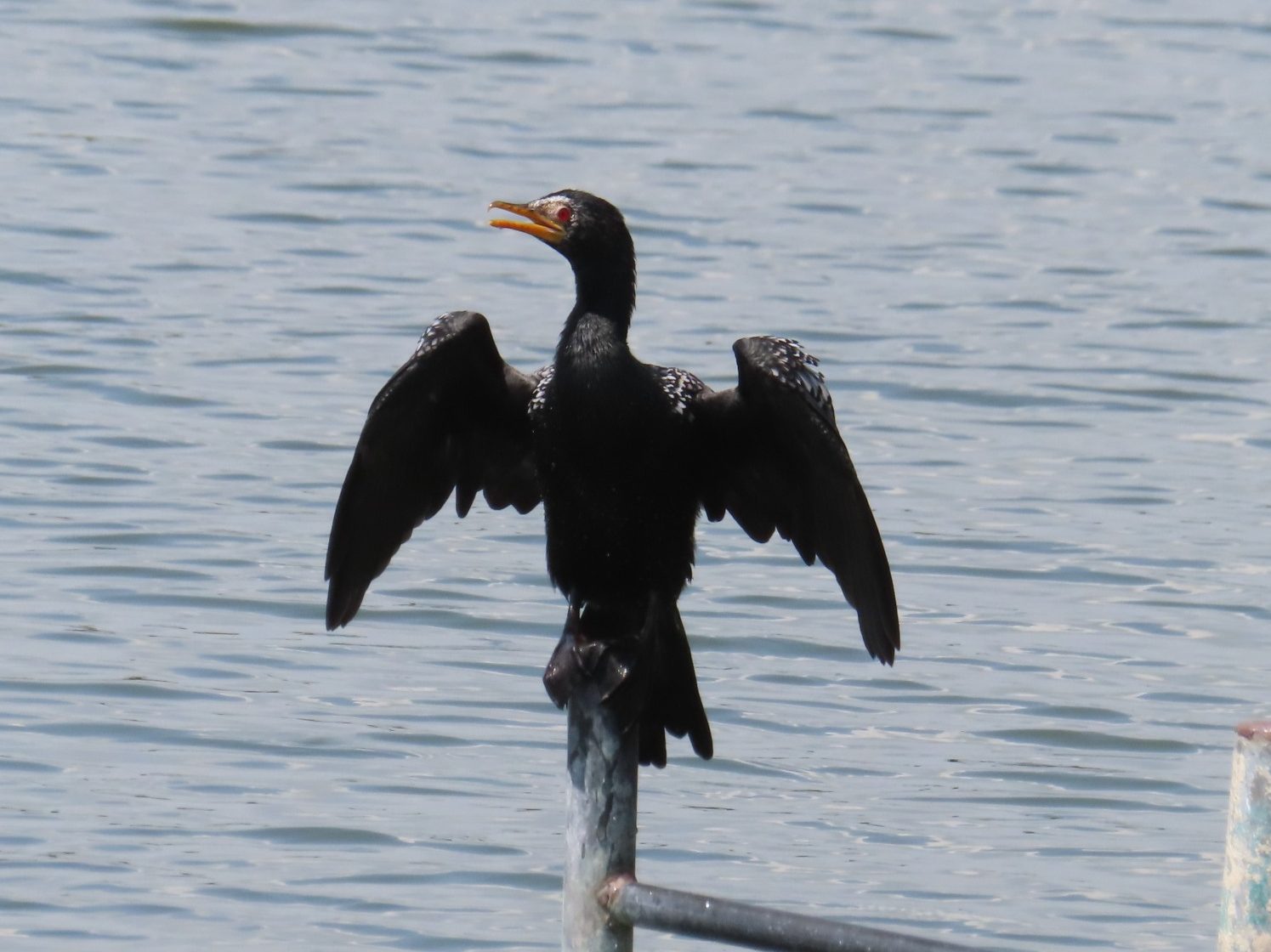


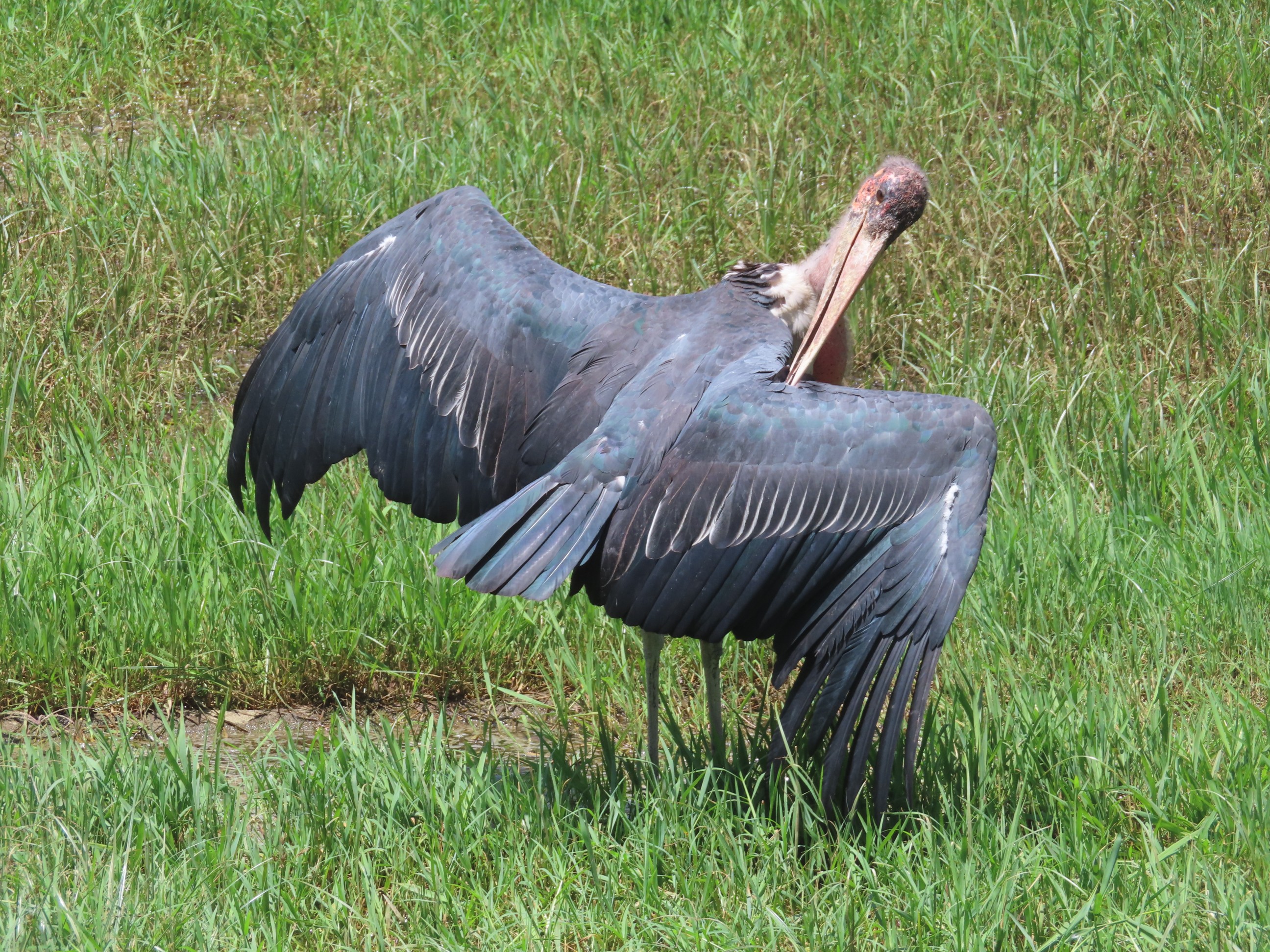


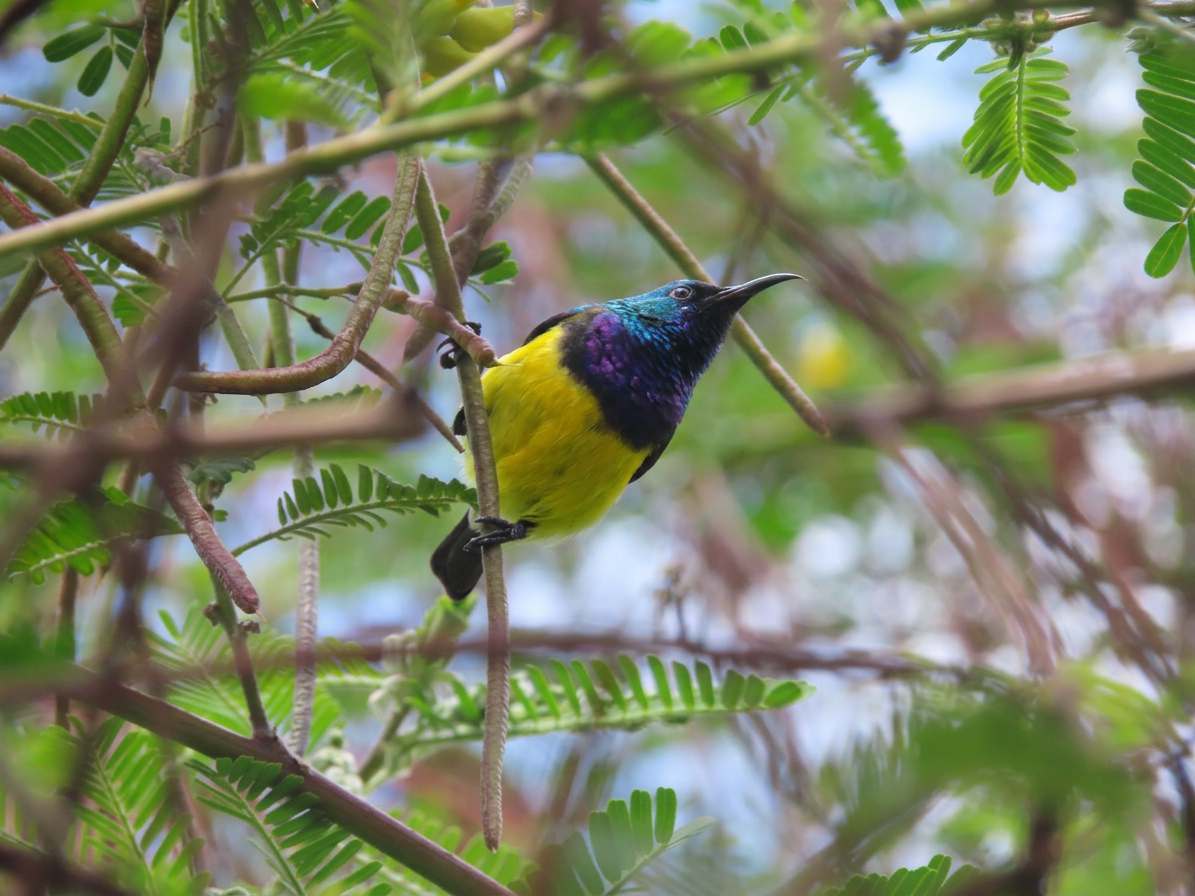


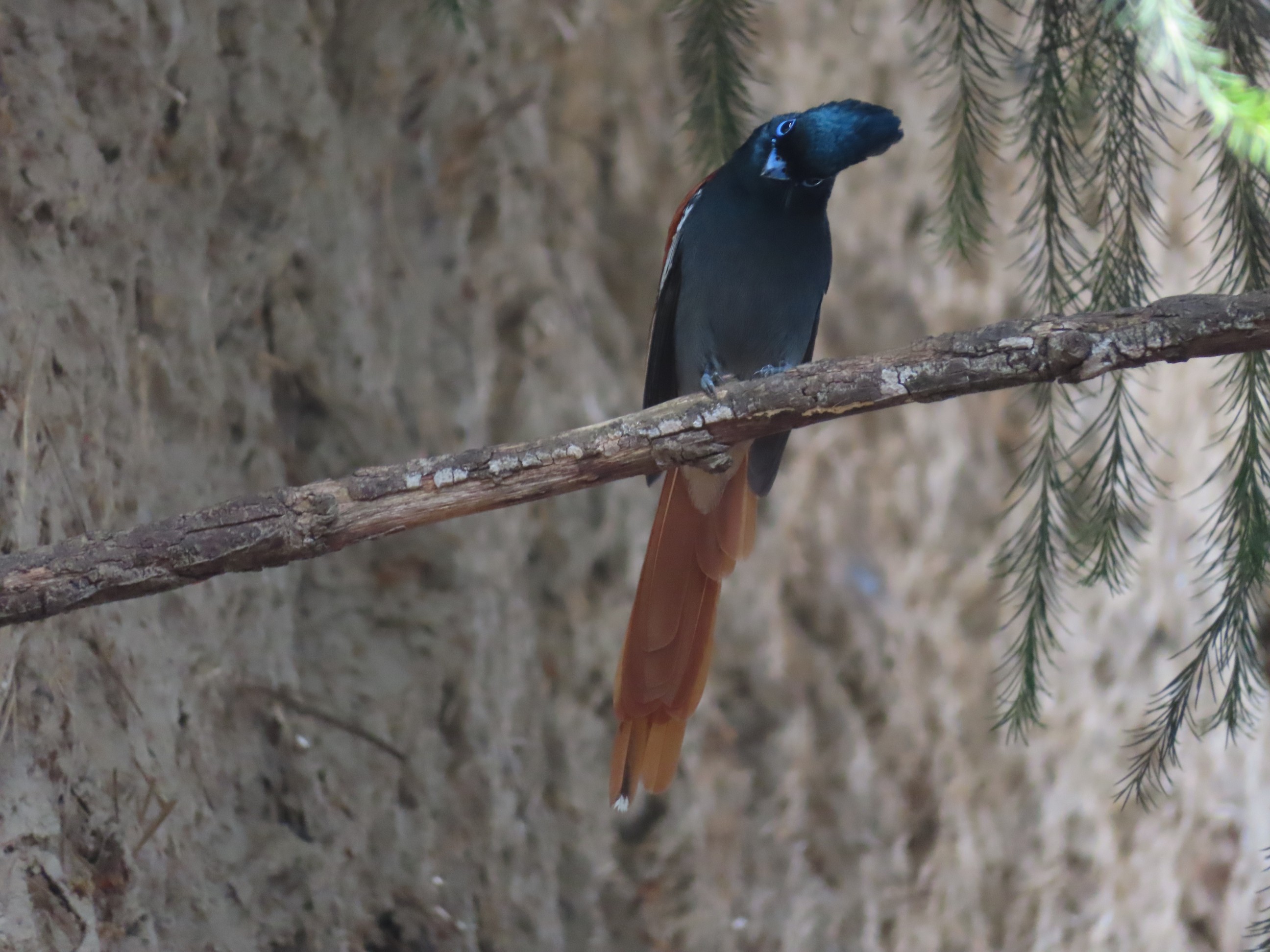

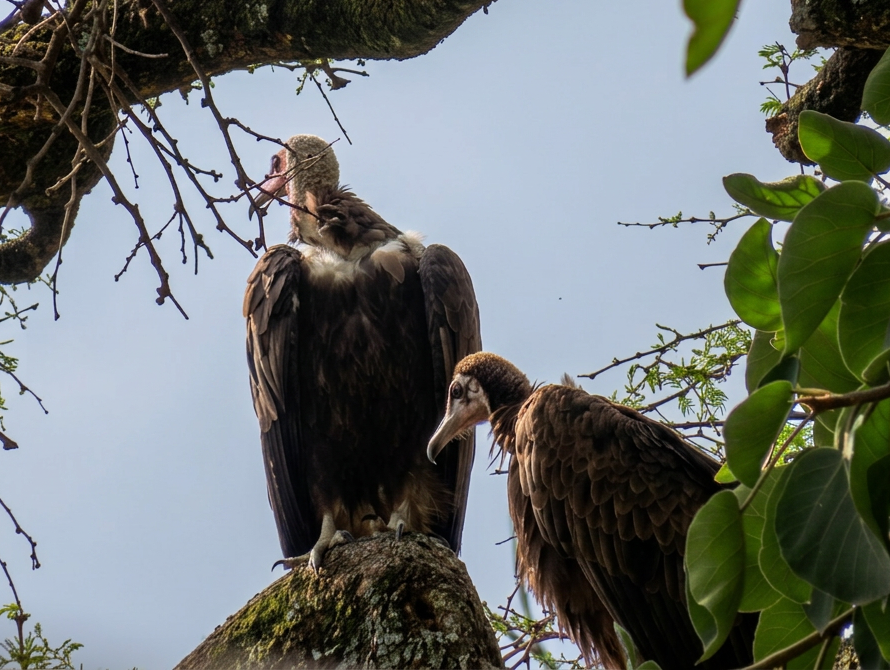

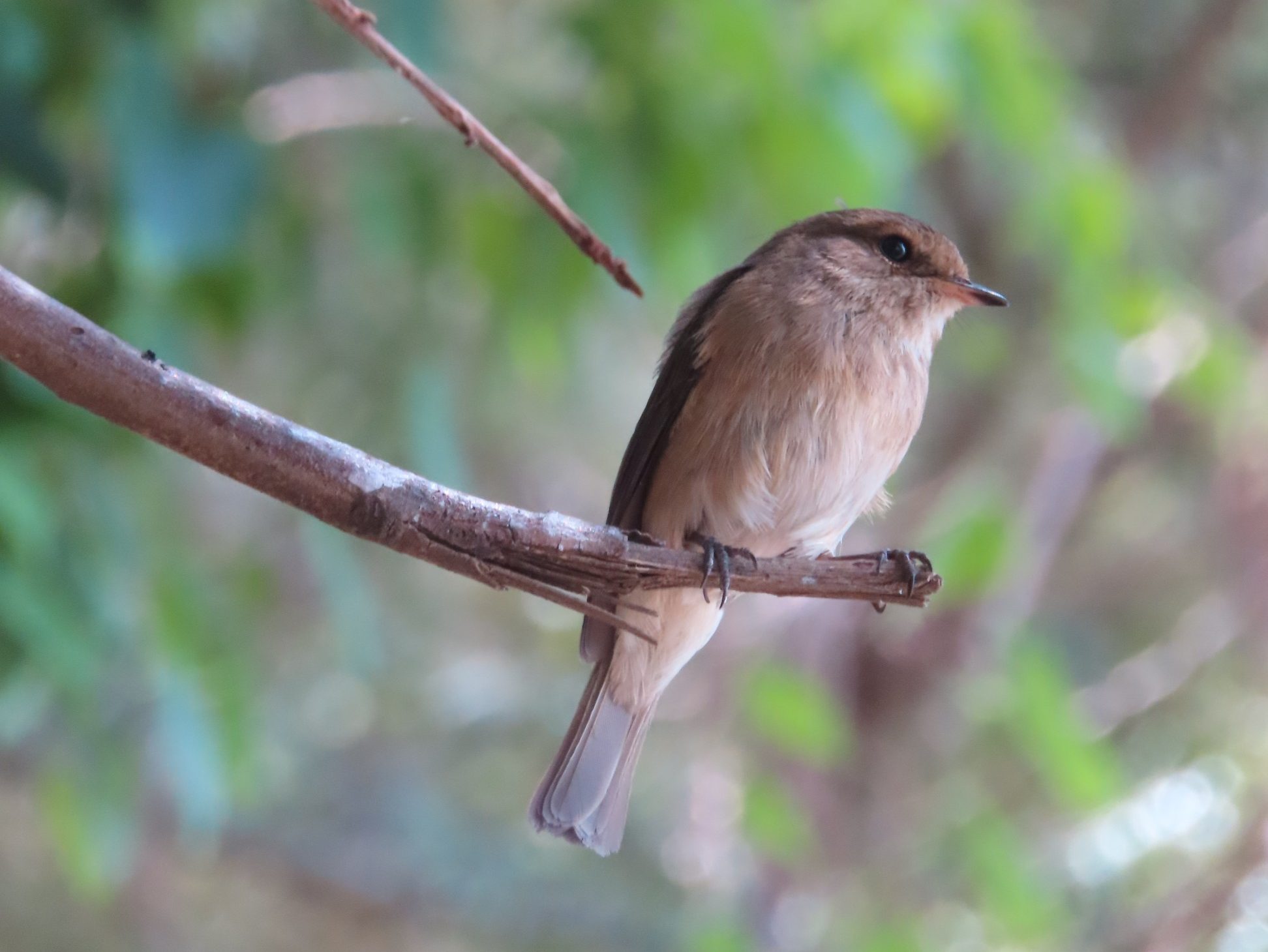
Image Not Found! Try Again
All content © 2026 The Wandering Marmot. All rights reserved.